Emergency water removal in the first 24 hours means: shutting off the water source, cutting power to affected outlets, documenting the damage with photos, extracting standing water, moving belongings off wet flooring, and calling a certified restoration crew within hours — not days. Every step below explains why, and what happens if you skip it.
When a pipe bursts or a storm floods your basement, the first 24 hours matter most. Water removal done quickly and correctly can be the difference between a same-week repair and a months-long renovation.
Emergency Water Removal Checklist
- Stay safe first. Standing water and electricity are a dangerous combination. Turn off electricity to affected areas at the breaker if you can reach it safely, and never step into standing water near outlets, cords, or appliances — if the breaker panel is in the flooded area, stay out and call an electrician first.
- Stop the source. If a pipe, water heater, or appliance caused the flooding, shut off the water supply at the nearest valve, or at the main shutoff if you can’t isolate the source. This stops the volume of water from growing while you handle the next steps.
- Document everything. Before you move or remove anything, take timestamped photos and video of the water level, affected materials, and damaged belongings. This record is what your insurance adjuster will ask for first, and it’s much harder to reconstruct after cleanup has started.
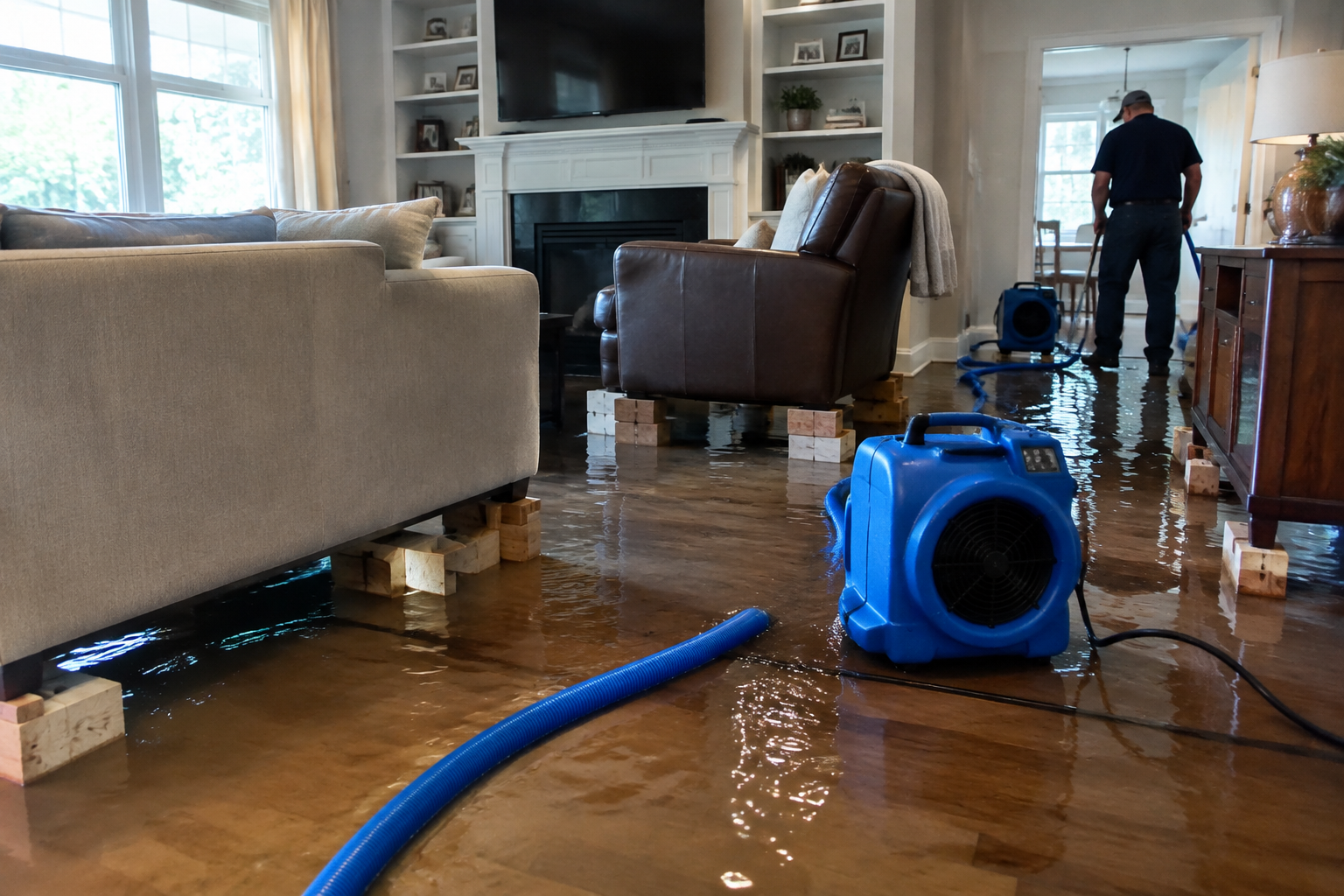
- Remove standing water. For small amounts (an inch or less), towels, mops, or a wet/dry vacuum can work. For anything deeper, or for water that’s been sitting more than a couple of hours, call professionals — submersible pumps and truck-mounted extraction remove volume far faster and more completely than household tools.
- Move belongings off wet flooring. Furniture, electronics, rugs, and boxes left sitting in water absorb moisture quickly and can stain, warp, or short out. Elevate or relocate what you can without risking your safety.
- Increase airflow. Open windows if weather allows, and run fans or a dehumidifier if you have one. This slows moisture absorption into drywall and flooring while you wait for help.
- Call a restoration company. Professional extraction and structural drying should start within hours, not days — the longer materials stay wet, the more of them need to be torn out rather than dried and saved.
Why Timing Changes the Outcome
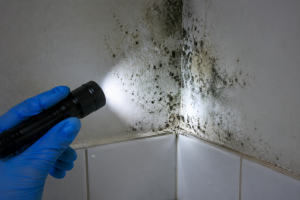
Drywall, carpet padding, and wood flooring all begin absorbing water immediately. Left untreated for even a day, materials that could have been dried and saved often need to be torn out and replaced — and mold can start forming within 24-48 hours.
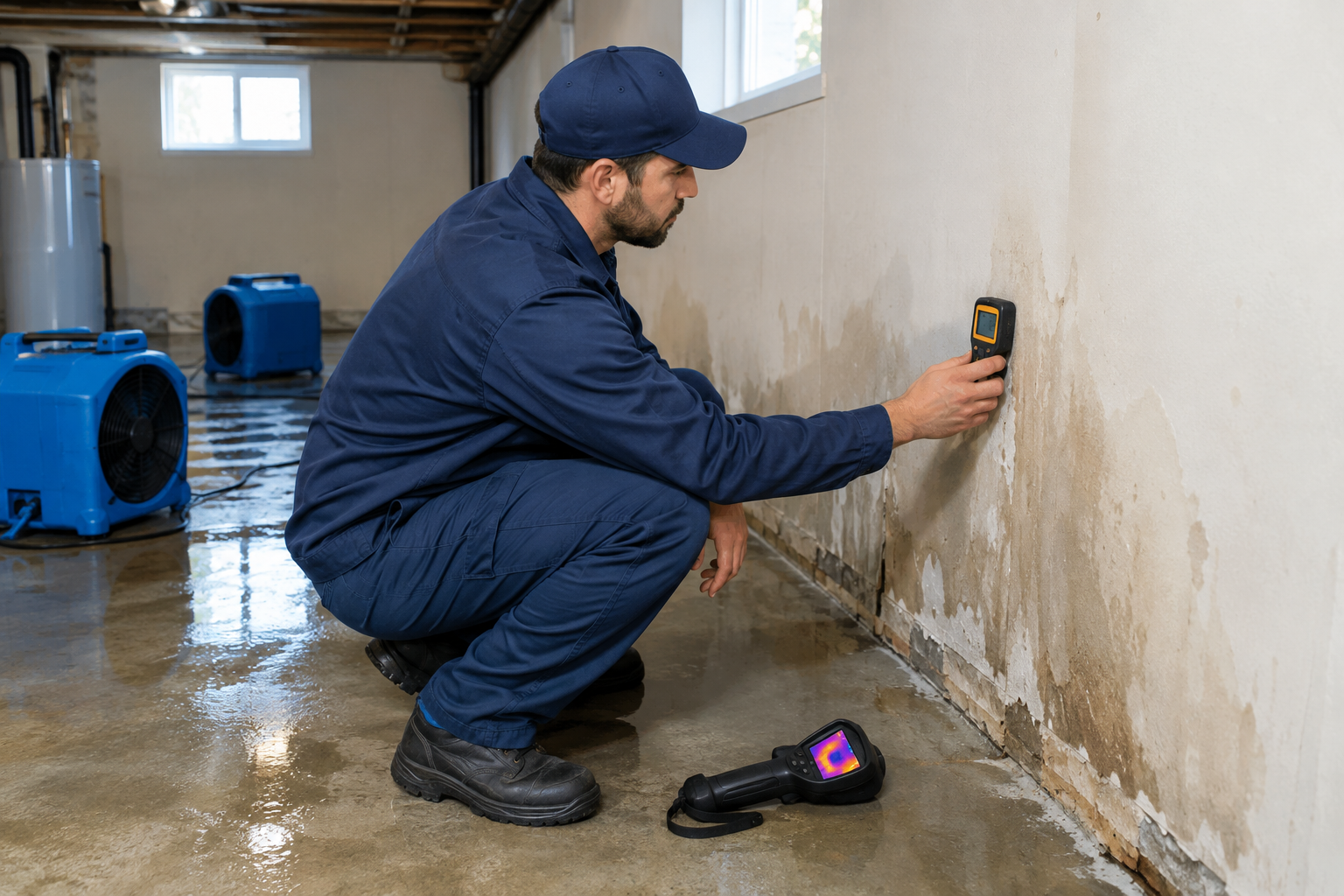
What a Professional Crew Checks That You Can’t
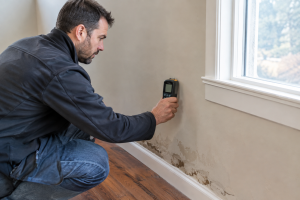
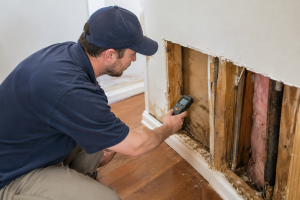
Even after the visible water is gone, moisture often remains trapped behind baseboards, under flooring, and inside wall cavities. Technicians with IICRC-certified training use moisture meters and thermal imaging to confirm a space is genuinely dry — not just dry to the touch — before calling the job finished. That extra verification step is often the difference between a clean dry-out and a mold problem that surfaces weeks later.
DIY vs. Professional Water Removal: Which Do You Need?
Not every water event requires a restoration crew, but it’s easy to underestimate how much water — and how much hidden moisture — is really there. Use this as a quick gut check:
- Handle it yourself when the water is clean (a sink overflow or small appliance leak), covers a small area, is less than an inch deep, and you can dry the space completely within a few hours with fans or a shop vacuum.
- Call a professional when the water is from a sewer backup, flood, or any source that could be contaminated; when it has been sitting more than a few hours; when it has reached carpet padding, drywall, or insulation; or when the affected area is larger than a small room.
When in doubt, it’s worth getting a professional moisture assessment even if you’ve already removed the visible water — the hidden moisture is usually the part that causes the most expensive damage later.
Documenting Water Damage for Your Insurance Claim
Good documentation, done in the first hours, has a direct effect on how smoothly your claim is processed:
- Photograph and video the damage before you move or discard anything, including wide shots of the room and close-ups of specific damage.
- Keep damaged items (within reason) until your adjuster has seen them or told you it’s fine to dispose of them.
- Note the date and suspected cause of the water intrusion, and save any receipts for emergency mitigation (pumps, fans, tarps, or a restoration company’s emergency service).
- Request a written estimate and a drying/moisture log from your restoration company — insurers increasingly expect moisture-reading documentation, not just a verbal assurance that a space is dry.
The federal government’s Ready.gov flood guidance has additional detail on documenting flood damage and working with FEMA or your insurer when a flood event is widespread.
Frequently Asked Questions
How fast does water damage need to be addressed?
Ideally within hours. Materials begin absorbing water immediately, and mold growth can begin within 24-48 hours in warm, humid conditions. The first 24 hours determine how much can be dried and saved versus torn out.
Can I just use fans and a dehumidifier instead of calling a professional?
For small, clean-water spills, yes. For anything that’s soaked carpet padding, drywall, or a larger area, fans alone usually aren’t enough — they dry surfaces faster than they dry what’s trapped inside materials, which is why professional moisture meters and thermal imaging matter.
What’s the difference between water mitigation and water restoration?
Mitigation is the emergency response that stops the damage from getting worse — extraction, drying, and preventing mold. Restoration is the rebuild that follows once the space is dry. See our full breakdown in Water Mitigation vs. Water Restoration.
Will my homeowner’s insurance cover emergency water removal?
It depends on the cause. Sudden, accidental events like a burst pipe are typically covered; gradual leaks or flood damage from rising water often are not, unless you carry separate flood insurance. Confirm with your insurer and keep documentation regardless.
How do I know if a space is actually dry, not just dry to the touch?
You generally can’t tell by touch alone. Professionals use moisture meters and thermal imaging to measure moisture content inside materials, not just on the surface — this is the main reason a professional dry-out verification matters even after you’ve removed the visible water yourself.
Related Reading
- Water Extraction 101: How Professionals Remove Water From Your Home
- Water Damage Mitigation: Why Acting Fast Saves You Money
- Water Damage Repair: What to Do Before Help Arrives
- Water Damage Clean Up: A Homeowner’s Step-by-Step Guide
- Basement Flooding Cleanup: What to Do in the First 24 Hours
Dry On Time offers 24/7 emergency water removal and restoration across New York and New Jersey. Save this number: (516) 852-7553 — or contact us now if you’re dealing with water damage.