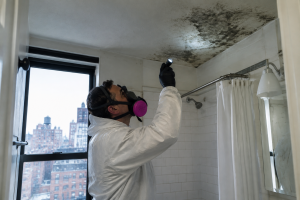
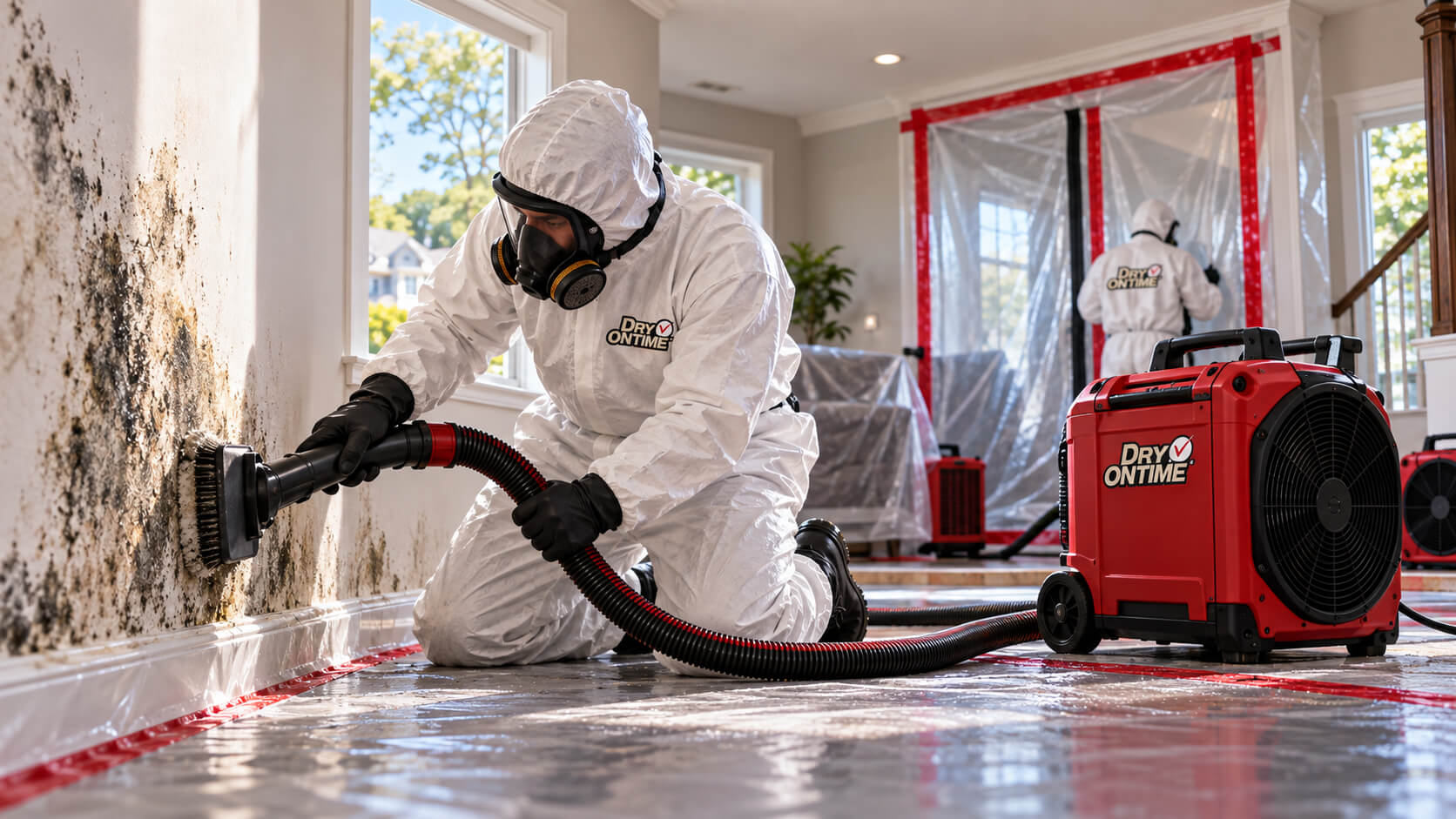
Long Island’s mix of coastal humidity, older housing stock, and seasonal storms creates ideal conditions for mold to take hold. Mold remediation long island ny homeowners search for is often tied to basement flooding, roof leaks, or poor crawl space ventilation.
Common Causes of Mold on Long Island
- Basement flooding after heavy rain or storm surge.
- Humidity trapped in crawl spaces and attics with poor airflow.
- Roof or gutter leaks that go unnoticed for weeks.
- Older plumbing systems prone to slow, hidden leaks.
What the Remediation Process Involves
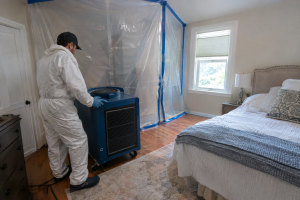
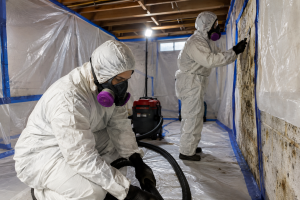
A Long Island mold job typically starts with an inspection to find the moisture source, followed by containment, removal of affected materials, HEPA filtration, and antimicrobial treatment. Homes with recurring humidity issues may also need a dehumidification plan to prevent regrowth.
Preventing It From Coming Back
Improving ventilation in crawl spaces and attics, maintaining gutters, and addressing basement drainage all help keep humidity — and mold — from returning after remediation is complete.
Why Coastal Humidity Makes Long Island a Higher-Risk Area
Homes near the coast deal with consistently higher ambient humidity than inland properties, which the EPA identifies as one of the main drivers of indoor mold growth even without an active leak. Running a dehumidifier to keep indoor humidity below 50%, especially in basements and crawl spaces, is one of the simplest ways Long Island homeowners can reduce their risk between remediation visits.
Seasonal Timing Worth Knowing
Late summer and early fall, after peak coastal humidity and storm season, is when many Long Island homeowners first notice mold that’s been developing quietly for months. A pre-winter inspection can catch it before closed-up, less-ventilated winter months make the problem worse.
Flood Insurance Considerations for Long Island Homeowners
Long Island’s exposure to storm surge and coastal flooding means many homes sit in or near a FEMA flood zone, where standard homeowners insurance generally won’t cover flood-caused mold — that requires separate flood insurance, typically through the National Flood Insurance Program. Mold tied to a non-flood event, like a roof leak or burst pipe, usually falls under a standard homeowners policy instead. Knowing which category your situation falls into before you file a claim can save weeks of back-and-forth with an adjuster.
Frequently Asked Questions
Is Long Island at higher risk for mold than other parts of New York?
Coastal humidity, older housing stock, and storm exposure do make parts of Long Island higher-risk, particularly homes with basements or crawl spaces near the water.
Does flood insurance cover mold remediation on Long Island?
If the mold resulted from flooding covered by a flood insurance policy, remediation tied to that event is often included. Mold from a non-flood source typically falls under homeowners insurance instead.
How often should Long Island homeowners get a mold inspection?
An annual inspection, ideally before winter, is a reasonable baseline for homes with basements, crawl spaces, or a history of humidity issues.
Can running a dehumidifier alone prevent mold in a Long Island basement?
It helps significantly by keeping humidity below 50%, but it won’t fix an active leak or flooding source — those still need to be addressed directly.
What’s the best time of year to schedule mold remediation on Long Island?
Any time an active problem is found shouldn’t wait for a “better” season, but a pre-winter inspection can catch developing issues before closed-up winter months make them worse.
Related Reading
- Mold Remediation in New York: What to Expect From Start to Finish
- Mold Removal in NYC Apartments: What Renters and Owners Should Know
- Basement Flooding Cleanup: What to Do in the First 24 Hours
- Water Extraction 101: How Professionals Remove Water From Your Home
Dry On Time provides mold assessment, removal, and remediation for homeowners across Long Island, New York, and New Jersey — including Queens, the part of New York City closest to Long Island and a common starting point for Long Island-area service calls. Call (516) 852-7553 to schedule an inspection.