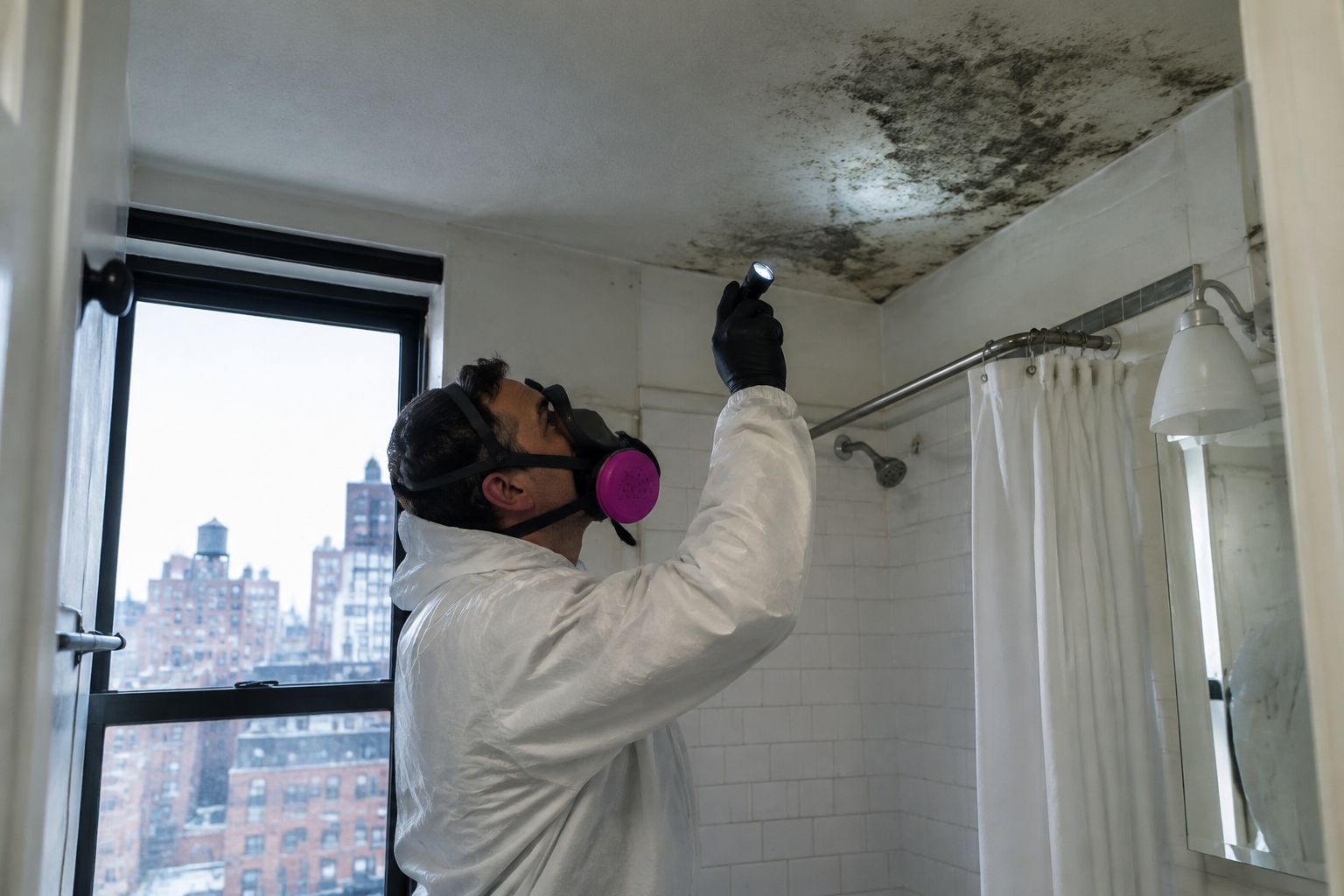
Apartment buildings bring their own set of challenges when mold shows up — shared walls, HVAC systems, and questions about who’s responsible for the fix. Mold removal nyc apartments need often looks different from a single-family home job.
Why NYC Apartments Are Different
Older buildings, shared plumbing lines, and limited ventilation in many Manhattan units all create conditions where moisture — and mold — can build up quickly, sometimes originating from a neighboring unit rather than your own.
Renters vs. Owners: Who Handles What
- In most rental situations, landlords are responsible for addressing mold tied to building issues like leaks or poor ventilation — check your lease and local tenant regulations.
- Owners in co-ops or condos may need to coordinate with the building’s management for issues involving shared walls or plumbing.
- Regardless of who pays, documenting the problem with photos and a professional inspection protects everyone involved.
Getting Mold Removal Done Right in an Apartment
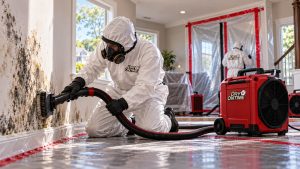
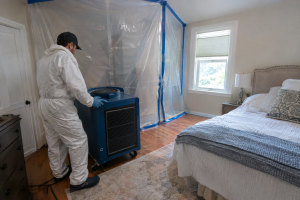
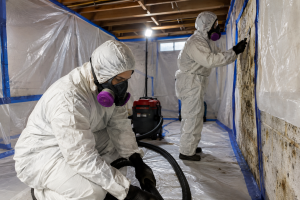
Containment matters even more in multi-unit buildings, to avoid spreading spores through shared HVAC or hallways.
NYC Housing Rules Worth Knowing
New York City’s Housing Maintenance Code requires landlords to keep rental units free of mold-causing conditions, and the NYC Department of Housing Preservation and Development (HPD) accepts complaints when a landlord doesn’t respond to a reported mold or leak issue. A documented professional inspection report is often what turns a disputed repair request into a resolved one.
Protecting Yourself as a Tenant
Report mold or leaks to your landlord in writing, keep copies, and follow up with photos and dates if nothing happens within a reasonable window. A paper trail makes it far easier to escalate to HPD or pursue repair-and-deduct remedies where local law allows it.
What Happens If Your Landlord Ignores a Mold Complaint
If a written notice goes unanswered for an unreasonable amount of time, the next step is typically a complaint to HPD, which can inspect the unit and issue violations requiring the landlord to make repairs. In some cases, and where local law allows it, tenants can pursue “repair and deduct” — hiring the work done and deducting the cost from rent — or file in housing court to compel repairs. A documented timeline (written notice, dates, photos, and any inspection report) is what makes any of these paths actually work; without it, a dispute over who knew what and when becomes much harder to resolve in the tenant’s favor.
Frequently Asked Questions
Can a landlord refuse to fix mold in a NYC rental?
No — the NYC Housing Maintenance Code requires landlords to address mold-causing conditions in rental units, and HPD can issue violations if they don’t.
How long does a landlord have to address mold under NYC law?
Timelines vary by the type of violation HPD issues, but landlords are generally expected to act promptly once notified — documented written notice with a clear date strengthens any later complaint.
Can I withhold rent until mold is fixed?
Withholding rent carries legal risk and rules vary by situation — repair-and-deduct or an HPD complaint are generally safer first steps. Consider consulting a tenant rights resource or attorney before withholding rent.
Does renters insurance cover mold damage to personal belongings?
Many renters policies exclude mold damage, or cover it only if it resulted from a sudden covered event like a pipe burst. Check your specific policy language.
Who pays for mold removal in a co-op — the owner or the building?
It typically depends on where the mold originates — issues tied to shared plumbing or building structure are often the building’s responsibility, while mold inside a unit’s own finishes may fall to the owner. Review your co-op’s bylaws or ask management.
Related Reading
- Mold Remediation in New York: What to Expect From Start to Finish
- Mold Remediation on Long Island, NY: A Homeowner’s Guide
- What Is Mold Remediation? The Complete Process Explained
- Mold Inspection: 7 Warning Signs It’s Time to Schedule One
Dry On Time provides mold removal and remediation for apartments and buildings across Manhattan, including the Upper East Side, plus New York and New Jersey. Call (516) 852-7553.