Water extraction is the first and most urgent step after any flooding event — the faster standing water is removed, the less damage it causes to floors, walls, and belongings. But professional extraction looks very different from mopping up a spill.
How Water Extraction Works
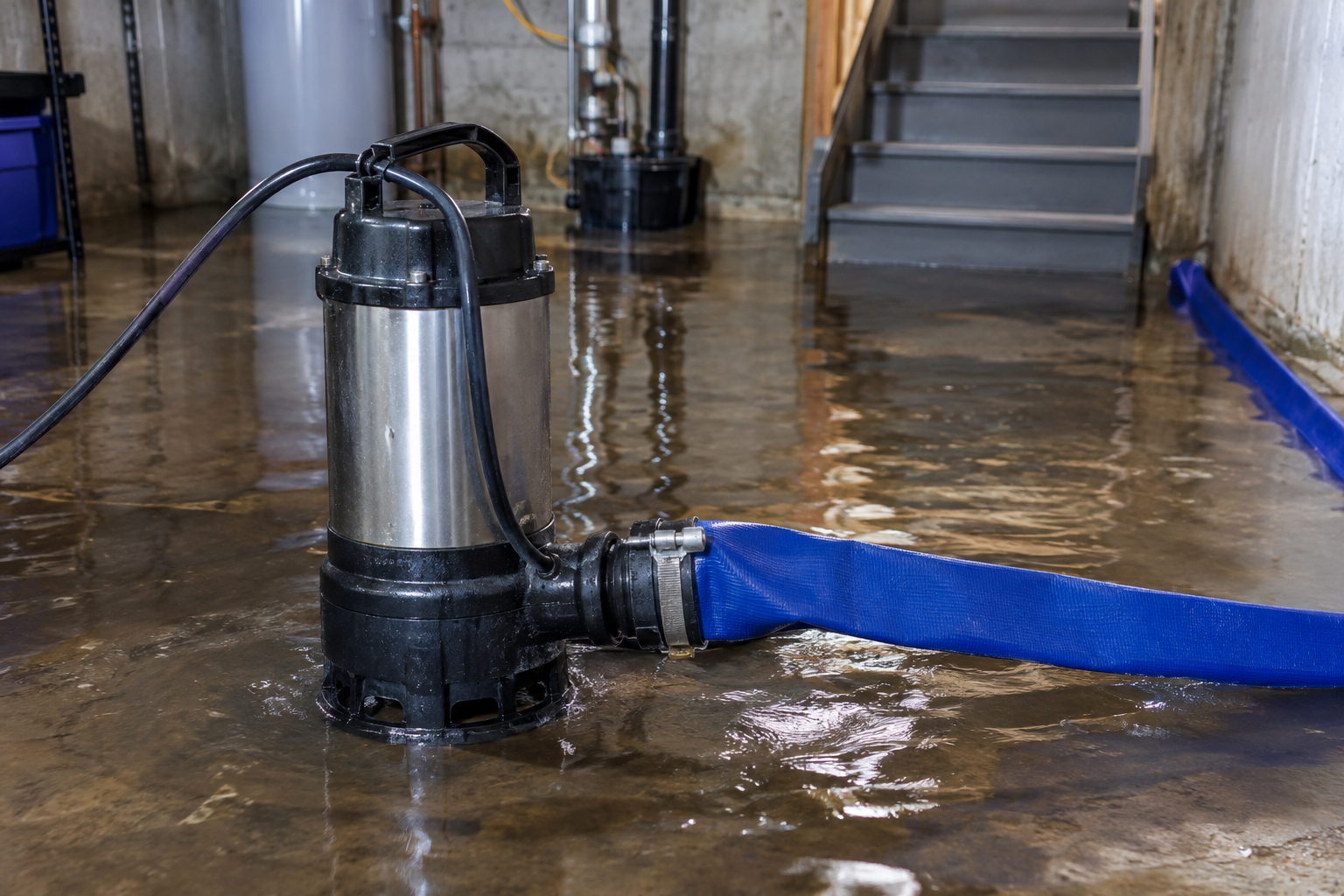
Restoration crews use truck-mounted or portable extraction units that pull hundreds of gallons of water out of carpets, subfloors, and hard surfaces far faster than a wet/dry vacuum. For deeper flooding, submersible pumps handle the bulk removal before extraction wands finish the job on carpets and upholstery.
What Happens After the Water Is Removed
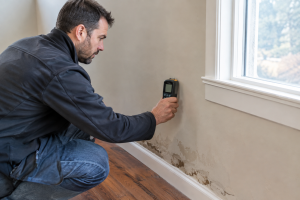
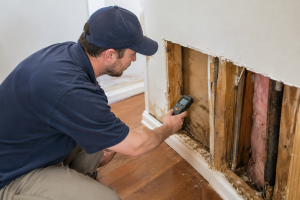
- Moisture meters check walls, floors, and subfloors for water that isn’t visible to the eye.
- Air movers and dehumidifiers are placed strategically to dry the structure over several days.
- Affected materials — like soaked carpet padding — are removed if they can’t be fully dried and disinfected.
Why Speed Matters in Water Extraction
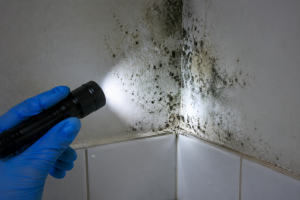
Water that sits for more than 24-48 hours starts breaking down materials and creating the damp conditions mold needs to grow. That’s why response time is one of the biggest factors in how much a water event ends up costing.
The Industry Standard for Extraction and Drying
Professional water extraction follows the IICRC S500 standard for water damage restoration, which sets documented benchmarks for how much moisture needs to come out of a material before drying is considered complete. Crews that skip this verification step — and simply run fans until a space “feels” dry — are the most common reason homeowners end up with hidden mold weeks after a flood.
A Note on Repeat Flooding
If the same area of your home has flooded more than once — a basement after every heavy rain, for example — ask your restoration company about moisture monitoring sensors. They can flag a recurring leak or rising groundwater early, often before visible water appears, which is far cheaper to address than another full extraction.
What Happens to Your Belongings During Extraction
Furniture, rugs, boxes, and electronics in the affected area usually need to move before extraction equipment can work the space properly. For a small job, that might mean a crew member shifting a couch a few feet. For larger flooding, it can mean a full “pack-out” — cataloging and moving contents to a dry storage area while the structure is extracted and dried, then returning everything once the space is cleared. Ask your restoration company up front how they document items during a pack-out; a clear inventory protects you if something is damaged or needs to be claimed separately on insurance.
Frequently Asked Questions
How much does professional water extraction cost?
Cost depends on how much water needs to be removed, the square footage affected, and how many days of equipment (air movers, dehumidifiers) the drying phase requires. A same-day assessment is the only way to get an accurate number.
How fast can a restoration company respond for water extraction?
A properly equipped 24/7 emergency provider should be able to start extraction within a few hours of your call — the sooner water is removed, the less secondary damage and mold risk you’re dealing with.
Can I rent extraction equipment myself?
For a small spill, a wet/dry shop vacuum is enough. For standing water covering a room or more, rental equipment rarely matches the pumping capacity or the moisture-verification tools professionals use, and renting it yourself often costs more than it saves.
What happens to furniture and belongings during water extraction?
Items in the affected area are typically moved out of the way or, for larger jobs, cataloged and relocated to dry storage during a “pack-out” so the extraction and drying crew can work the full space.
How do I know when a room is actually dry, not just visibly dry?
Surfaces can look and feel dry while materials underneath still hold moisture. Professionals confirm true dryness with moisture meters checked against IICRC S500 benchmarks, not by sight or touch alone.
Related Reading
- Water Damage Repair: What to Do Before Help Arrives
- Water Damage Clean Up: A Homeowner’s Step-by-Step Guide
- Emergency Water Removal: A Step-by-Step Checklist for the First 24 Hours
- Basement Flooding Cleanup: What to Do in the First 24 Hours
Dry On Time provides 24/7 emergency water extraction and drying across New York and New Jersey, including Queens and Staten Island, using the same commercial-grade equipment professionals rely on. Call (516) 852-7553 for immediate help.