Water damage repair starts long before a restoration crew arrives. The steps you take in the first few hours can be the difference between a quick dry-out and thousands of dollars in structural damage. Whether a pipe burst, an appliance leaked, or a storm pushed water into your home, knowing what to do — and what to avoid — matters more than most homeowners realize.
Water Damage Repair: The First Steps
If it’s safe to do so, shut off the water source and the electricity to the affected area. Move furniture, rugs, and valuables away from standing water, and remove as much water as you can with towels or a wet/dry vacuum. Open windows and run fans if the weather allows, since moving air helps slow mold growth while you wait for help.
What Not to Do
- Don’t use a regular household vacuum on standing water — it’s a shock hazard and won’t be effective.
- Don’t run electrical appliances in a wet room until it’s been checked.
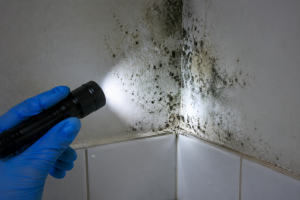
- Don’t wait to call for help — mold can begin forming within 24 to 48 hours of exposure.
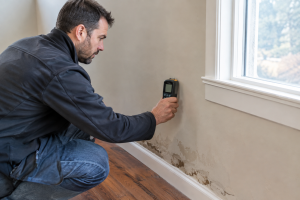
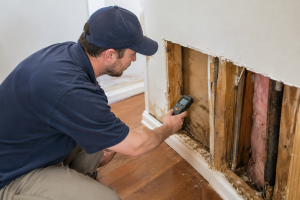
- Don’t assume carpet padding or drywall will simply dry on their own; hidden moisture often stays trapped inside walls and subfloors.
Why Professional Water Damage Repair Matters
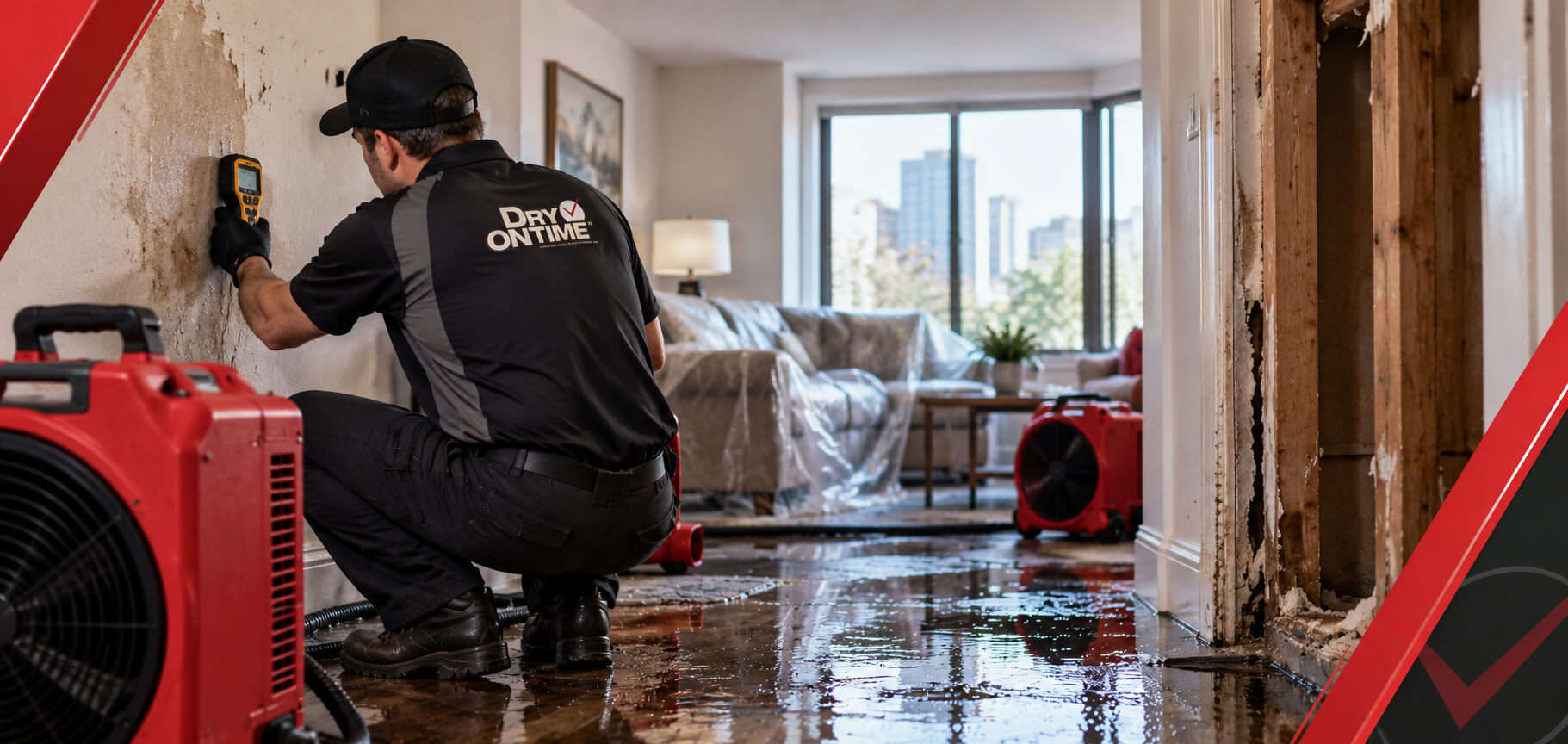
DIY clean-up handles surface water, but professional-grade dehumidifiers, moisture meters, and antimicrobial treatments are what actually stop hidden damage and mold from taking hold. Dry On Time is an IICRC-certified water damage restoration company offering 24/7 emergency response across New York and New Jersey — from water extraction and structural drying to full repair and reconstruction.
Understanding Water Damage Categories: Why It Affects the Repair Process
Not all water damage is treated the same way. The IICRC S500 standard classifies water into three categories, and the category determines what can be cleaned versus what has to be removed and disposed of. Category 1 is clean water from a source like a supply line break — the lowest risk. Category 2 (“gray water”) includes water from appliances like dishwashers or washing machines, which carries some contamination. Category 3 (“black water”) includes sewage backups and floodwater from outside the home, and it requires full removal of affected porous materials rather than cleaning, due to the health risk.
This is one reason a professional assessment matters even when the water looks “clean” — the source determines the correct repair approach, not just how the water looks.
Frequently Asked Questions
How much does water damage repair cost?
Cost depends on the extent of the damage, the water category involved, and whether structural materials like drywall, insulation, or subfloor need to be replaced rather than dried. A professional assessment is the only reliable way to get an accurate estimate.
Will homeowners insurance cover water damage repair?
Often, yes, for sudden and accidental events like a burst pipe or appliance failure. Gradual damage from a long-term leak or lack of maintenance is typically excluded. Review your policy or ask your adjuster about your specific situation.
How long does it take for water damage to start causing mold?
Mold can begin growing within 24 to 48 hours of water exposure, which is why prompt extraction and drying matter so much in the first hours after a leak or flood.
Can I repair water damage myself, or do I need a professional?
Minor, quickly-caught spills can often be handled with towels and fans. Anything involving standing water, a burst pipe, sewage, or flooding should go to a professional with commercial dehumidifiers and moisture meters to catch hidden moisture DIY methods miss.
What’s the difference between water damage repair and water damage restoration?
“Repair” often refers narrowly to fixing or replacing damaged materials, while “restoration” covers the full process — extraction, drying, cleaning, and repair — that returns the property to its pre-damage condition.
Related Reading
- Emergency Water Removal: A Step-by-Step Checklist for the First 24 Hours
- Water Extraction 101: How Professionals Remove Water From Your Home
- Water Damage Clean Up: A Homeowner’s Step-by-Step Guide
- Water Mitigation vs. Water Restoration: What’s the Difference?
If you’re dealing with a leak, burst pipe, or flooding right now, don’t wait for the damage to spread. See how Dry On Time handles water damage restoration across New York and New Jersey, including Staten Island and Manhattan’s Upper East Side, or call (516) 852-7553 for emergency help, available around the clock.