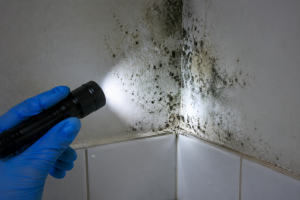
When water shows up in your basement, basement flooding cleanup has to begin immediately — standing water and trapped humidity create ideal conditions for mold growth within 24 to 48 hours. Whether the cause is a failed sump pump, a burst pipe, a sewer backup, or heavy rain overwhelming your home’s foundation, the way you respond in the first hours determines whether you’re facing a straightforward dry-out or a much larger, costlier remediation project down the road.
Basement flooding cleanup: what to do first
Before anything else, make sure it’s safe to enter the space. Standing water near electrical outlets, appliances, or a breaker panel is a serious hazard — shut off power to the area at the breaker if you can do so safely, or call a professional if you’re unsure. Once it’s safe, identify and stop the source of the water if possible, whether that means closing a valve, unplugging a failed sump pump, or simply waiting out the rain. Document the damage with photos and video before you move or remove anything, since this record is essential for insurance claims.
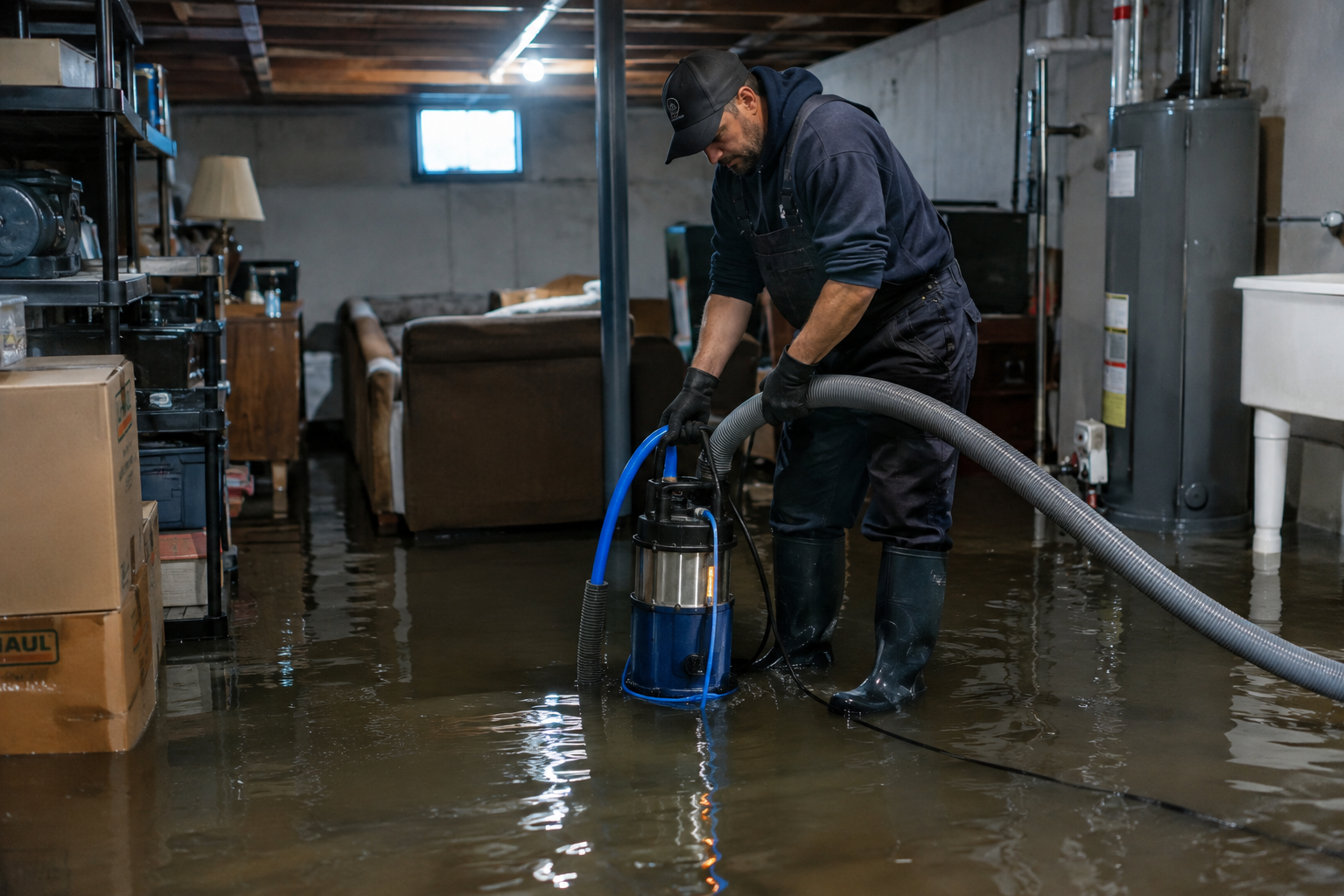
Next, remove as much standing water as you can. A wet/dry shop vacuum works for small amounts, but a flooded basement usually needs submersible pumps and industrial extraction equipment to clear water quickly enough to limit damage. Move furniture, boxes, and other belongings out of the wet area, and separate anything that’s been soaked for cleaning, drying, or disposal.
Drying and dehumidifying the space
Water extraction is only the first half of the job. Carpet, drywall, and insulation hold moisture long after the surface looks dry, so the space needs commercial-grade air movers and dehumidifiers running continuously — often for several days — to bring humidity and material moisture levels back down to normal. Skipping this step, or relying on a household fan, is one of the most common reasons homeowners end up with hidden mold weeks later.
Deciding what can be saved
Porous materials like carpet padding, drywall, and particleboard furniture that have been submerged for more than 24-48 hours usually can’t be fully sanitized and are safer to discard. Solid wood, tile, and non-porous items can often be cleaned, disinfected, and dried successfully. If the water involved a sewer backup or came from outside the home (categorized as “black water”), treat everything it touched as contaminated and involve a professional for safe cleanup.
When to Call a Professional vs. Handle It Yourself
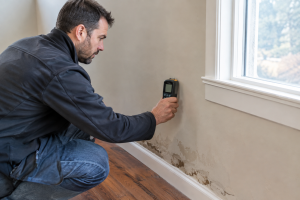
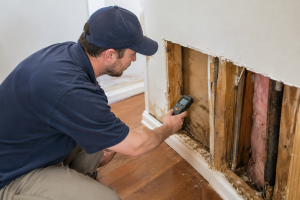
A few inches of clean water from a quickly-fixed source, cleaned up within a few hours, is often manageable with a wet/dry vacuum, fans, and a dehumidifier. Call a professional instead when water covers more than a small area, has been sitting for more than 24 hours, came from a sewer backup or outside flooding, or when you can’t fully dry hidden spaces like wall cavities and under flooring — a moisture meter is the only reliable way to confirm those areas are actually dry, not just the visible surface.
Frequently Asked Questions
How much does basement flooding cleanup cost?
Cost depends on how much water needs to be removed, whether materials like carpet or drywall need replacing, and how many days of drying equipment the job requires. A professional assessment gives the most accurate estimate.
How long does it take to dry out a flooded basement?
Most basements take three to seven days with commercial-grade dehumidifiers and air movers running continuously, depending on how much water was involved and how porous the affected materials are.
Will homeowners insurance cover basement flooding?
It depends on the cause. Flooding from a sudden, covered event like a burst pipe or failed sump pump is often covered; flooding from rising groundwater or outside flooding typically requires separate flood insurance.
What should I do with wet carpet after a flooded basement?
Carpet soaked by clean water for a short time can sometimes be dried and salvaged. Carpet exposed to contaminated water, or left wet more than 24-48 hours, should generally be discarded.
How can I prevent my basement from flooding again?
A working, regularly-tested sump pump, a battery backup for power outages, proper grading away from the foundation, and sealing visible cracks all reduce the risk of repeat flooding.
Related Reading
- Water Extraction 101: How Professionals Remove Water From Your Home
- Water Damage Clean Up: A Homeowner’s Step-by-Step Guide
- Water Damage Repair: What to Do Before Help Arrives
- Storm Damage Restoration: Protecting Your Property After a Storm
If your basement flooding is significant, or if water sat for more than a day before you found it, Dry On Time can extract water, dry the structure with monitored equipment, and test for hidden moisture before it turns into a mold problem. We provide 24/7 emergency water damage restoration across New York and New Jersey, including Staten Island and Queens. Call (516) 852-7553 for an inspection before you start rebuilding.