Water damage mitigation is the emergency action taken to limit how much a leak, flood, or burst pipe ends up costing you. The single biggest factor in that cost isn’t the size of the leak — it’s how quickly mitigation begins.
How Water Damage Mitigation Reduces Cost
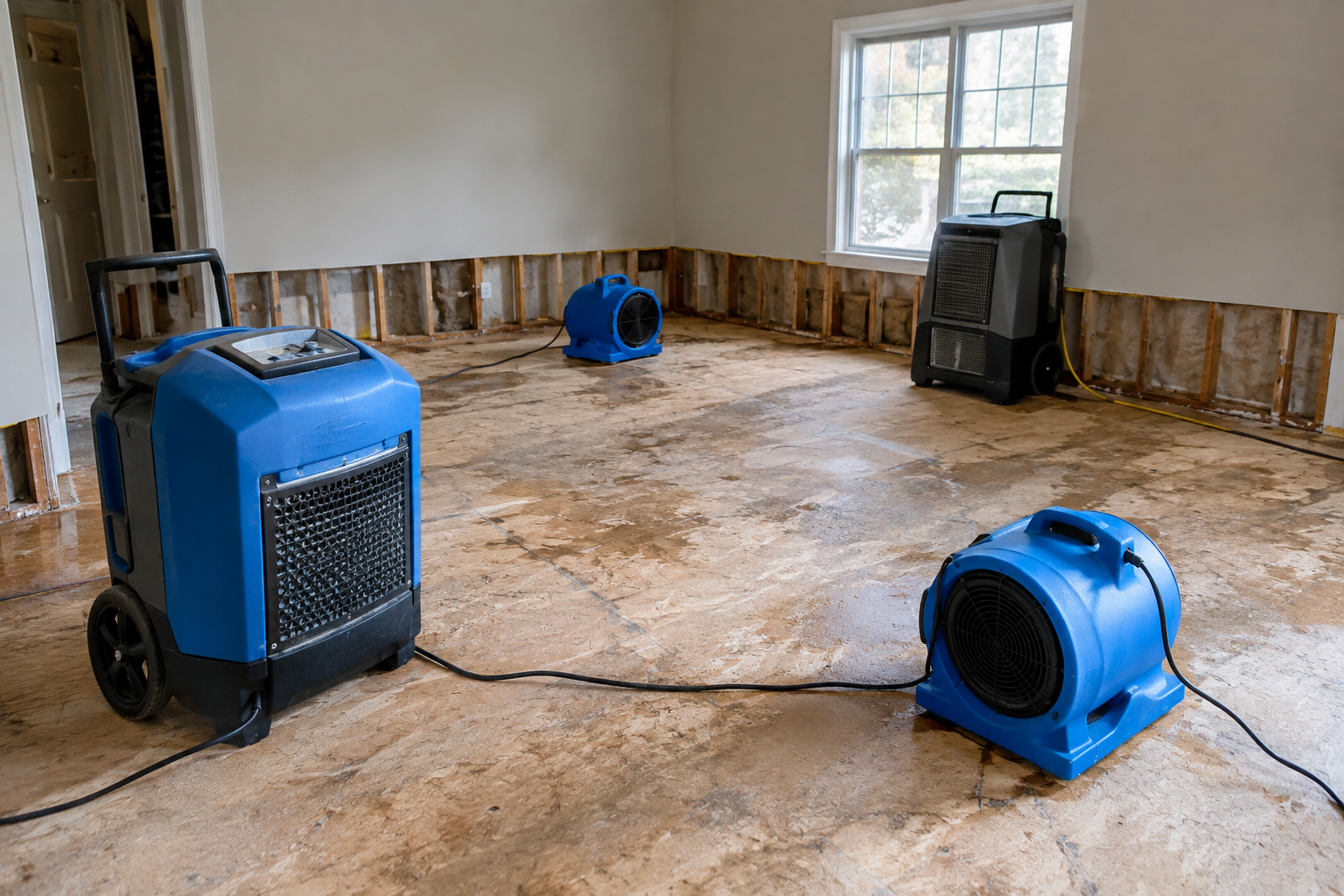
Every hour that water sits, it spreads further into subfloors, drywall, and framing. What starts as a repair limited to one room can turn into a full gut renovation if moisture is left to travel. Fast mitigation — extracting water, removing unsalvageable materials, and drying the structure with commercial equipment — stops that spread before it becomes structural.
The Real Cost of Waiting
- Drywall and insulation that could have been dried often have to be torn out after 48+ hours of exposure.
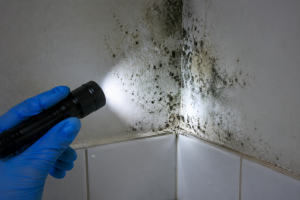
- Mold remediation gets added to the project once conditions stay damp for more than two days.
- Wood flooring and cabinetry swell and warp, sometimes requiring full replacement.
- Insurance adjusters may question delayed claims, since policies typically require “reasonable” mitigation efforts.
What Fast Water Damage Mitigation Looks Like
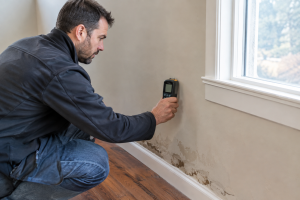
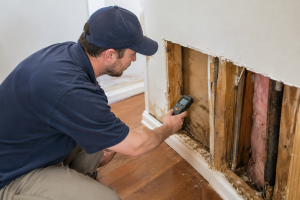
A same-day response with truck-mounted extraction, moisture mapping, and strategically placed dehumidifiers is the standard for minimizing both damage and cost.
Mitigation vs. Restoration: Why the First 24 Hours Matter Most
Mitigation and restoration are two different phases, and confusing them is one of the most common reasons homeowners wait too long to call. Mitigation is the emergency phase — stopping the damage from getting worse. Restoration is what comes after, rebuilding what was lost. Skipping straight to “we’ll fix it later” without fast mitigation almost always means a bigger, more expensive restoration phase, because the window to save drywall, flooring, and framing closes within the first day or two.
What to Ask Before You Hire
Confirm the crew follows IICRC water damage mitigation standards (S500), uses moisture mapping rather than guesswork, and documents drying progress daily — insurance companies increasingly request this documentation before approving a claim in full, so it protects your payout as much as your property.
A Simple Rule of Thumb
If you can see standing water, assume mitigation needs to start within hours, not days. Even a small amount of water left overnight on a hardwood floor or under carpet padding is enough to start the clock on mold growth, so err on the side of calling sooner rather than waiting to see if it dries on its own.
Water Damage Mitigation: Frequently Asked Questions
How fast should water damage mitigation start?
Ideally within hours of discovering standing water. Mold can begin developing within 24-48 hours in damp conditions, and materials like drywall and subfloor become harder to save the longer they stay wet.
What’s the difference between mitigation and remediation?
Mitigation stops water damage from spreading further — extraction and drying. Remediation specifically refers to treating mold once it has already developed. Fast mitigation is what prevents remediation from becoming necessary in the first place.
Will my insurance cover emergency mitigation?
Most homeowner policies cover mitigation tied to a sudden, covered event like a burst pipe, provided it’s documented properly. Delaying mitigation can complicate a claim, since policies typically require reasonable, prompt action.
Can I start mitigation myself before the crew arrives?
Removing standing water with towels and placing household fans can help in the first few minutes, but it isn’t a substitute for commercial extraction and moisture mapping, which reach the water trapped under flooring and inside walls.
Is a same-day response really available?
Yes — Dry On Time provides 24/7 emergency response across New York and New Jersey, with crews dispatched the moment you call.
Related Reading
- Water Mitigation vs. Water Restoration: What’s the Difference?
- Emergency Water Removal: A Step-by-Step Checklist for the First 24 Hours
- Water Extraction 101: How Professionals Remove Water From Your Home
- Water Damage Clean Up: A Homeowner’s Step-by-Step Guide
Dry On Time provides 24/7 emergency water damage mitigation and restoration across New York and New Jersey — including Manhattan and Staten Island — call (516) 852-7553 the moment you notice a leak or flood.