When high winds, heavy rain, or flooding hit your property, the first few hours set the tone for everything that follows. Storm damage restoration starts with securing the property and stopping active water intrusion — then moves into drying, cleanup, and repair.
Right After the Storm: What to Check
- Look for active leaks, roof damage, or broken windows letting water in.
- Check basements and lower levels for standing water from flooding or sewage backup.
- Photograph all visible damage before cleaning anything up, for insurance documentation.
- Avoid downed power lines or standing water near electrical sources.
How Storm Damage Restoration Works
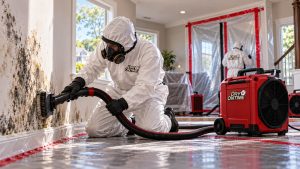
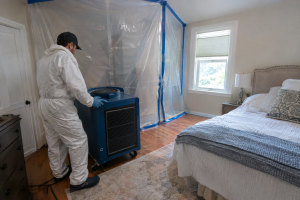
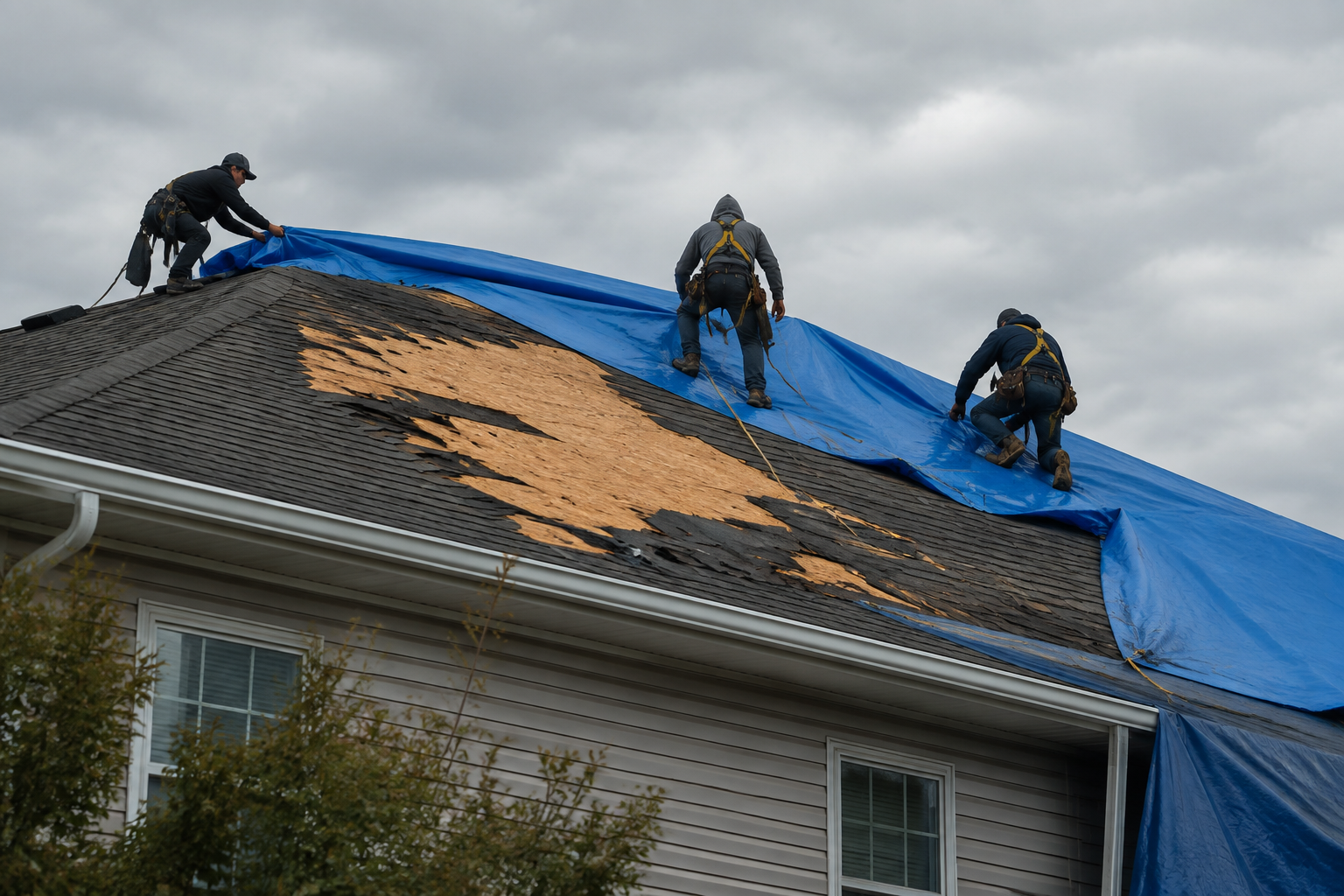
Once the property is safe to enter, restoration crews extract standing water, tarp or board up openings to prevent further intrusion, and begin structural drying with industrial dehumidifiers and air movers. Depending on the storm, this can also include sewage cleanup, debris removal, and repairs to roofing or siding.
Why Storms Often Cause Hidden Damage
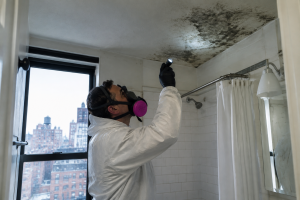
Wind-driven rain can push water into places a typical leak never reaches — behind siding, under roofing, and into wall cavities. That’s why a full moisture inspection after a storm matters even when damage isn’t obvious from inside.
Before and After a Major Storm
Resources like Ready.gov’s flood preparedness guide recommend documenting your home’s condition before storm season and knowing your flood risk zone in advance — both make the insurance and restoration process faster if a storm does cause damage. After the storm, the same documentation habit (photos, dated notes) speeds up claims significantly.
Working With Your Insurance Company
Most policies require you to take “reasonable steps” to prevent further damage once a storm passes — tarping a roof or boarding a broken window, for example — so keep receipts for any emergency materials you purchase. A restoration company experienced with storm claims can also help translate the scope of damage into the documentation adjusters expect to see.
Flood Insurance vs. Homeowners Insurance: Why Storm Claims Get Complicated
A common and costly misunderstanding: standard homeowners insurance generally covers wind-driven rain and roof damage, but it typically excludes flooding — water that rises from the ground or enters from outside due to overflow. Flood damage is usually covered only by a separate flood insurance policy, often through the National Flood Insurance Program (NFIP). This means the same storm can produce two different claims under two different policies depending on exactly how the water got in, which is why documenting the specific source of water damage (wind-driven rain through a damaged roof versus rising floodwater) matters so much for getting the right claim approved.
Frequently Asked Questions
Does homeowners insurance cover storm damage?
Generally yes for wind, hail, and wind-driven rain through a damaged roof or window. It typically does not cover flooding from rising water, which requires separate flood insurance.
What’s the difference between storm damage and flood damage for insurance purposes?
Storm damage from wind or wind-driven rain is usually covered by homeowners insurance. Flood damage — water rising from outside or from the ground — is covered only under a separate flood insurance policy.
How soon should I call a restoration company after a storm?
As soon as it’s safe to enter the property. Standing water and wet materials start causing secondary damage and mold risk within 24-48 hours.
Can I stay in my home during storm damage restoration?
Often yes for contained damage, though extensive flooding, structural damage, or sewage contamination may require temporarily relocating until the space is safe and dry.
How do I find my flood risk zone before a storm hits?
FEMA’s flood map service lets you check your property’s flood zone designation, which also helps you understand whether separate flood insurance is worth carrying.
Related Reading
- Basement Flooding Cleanup: What to Do in the First 24 Hours
- Water Damage Repair: What to Do Before Help Arrives
- Water Damage Clean Up: A Homeowner’s Step-by-Step Guide
- Water Extraction 101: How Professionals Remove Water From Your Home
Dry On Time provides 24/7 emergency storm and flood damage restoration across New York and New Jersey, including Manhattan’s Upper East Side and Brooklyn. Call (516) 852-7553 as soon as it’s safe to do so.