Homeowners often use “mitigation” and “restoration” interchangeably, but they describe two different stages of recovery. Water mitigation is the emergency response that stops damage from getting worse; restoration is the longer process of returning your property to its original condition.
What Water Mitigation Actually Covers
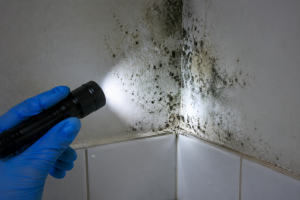
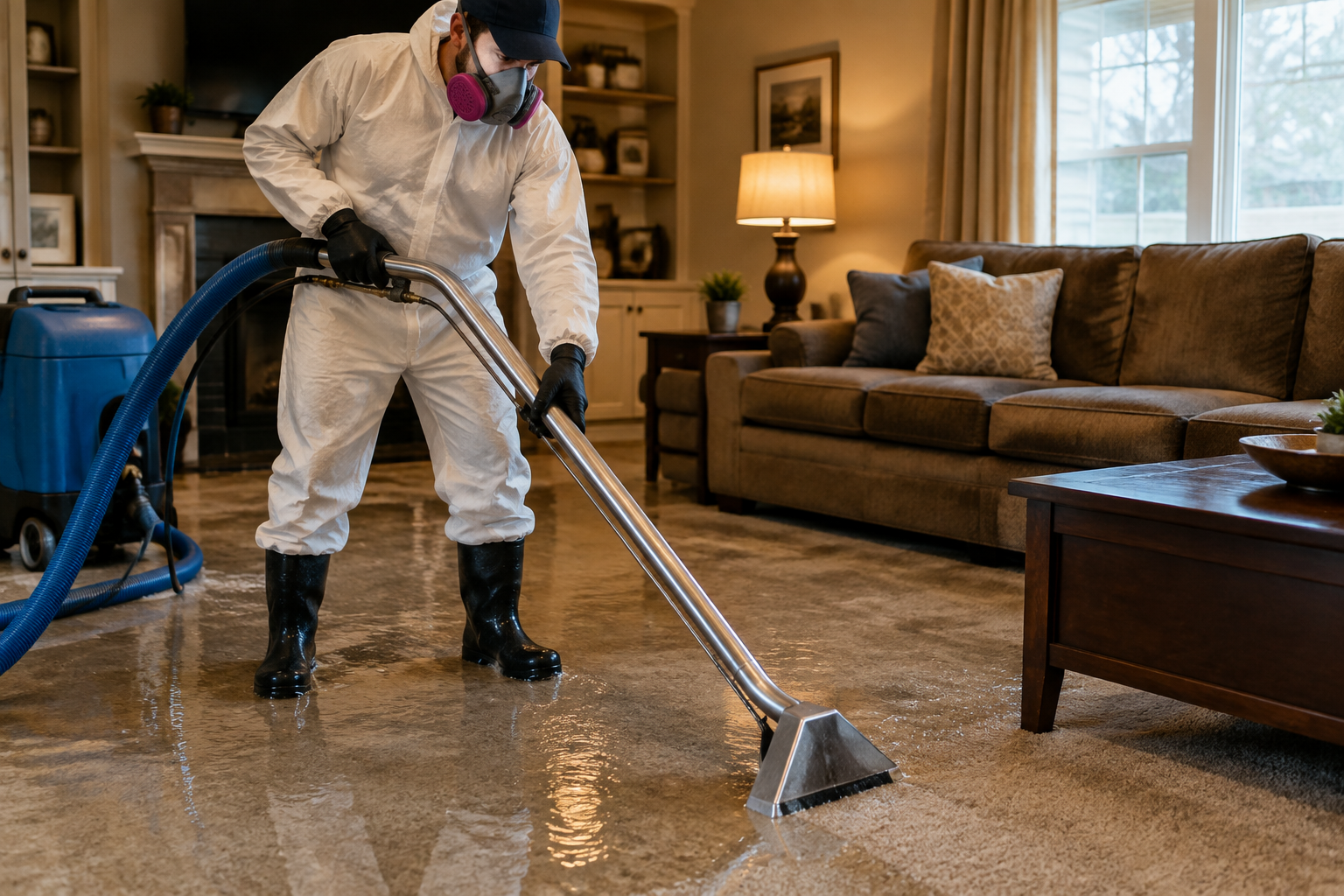
Water mitigation happens in the first hours after a leak, burst pipe, or flood. It includes shutting off the water source, extracting standing water, removing unsalvageable materials, and setting up industrial dehumidifiers and air movers to dry the structure. The goal is simple: prevent secondary damage like mold, warping, and rot before they start.
Where Restoration Picks Up
Once the property is fully dry, restoration begins — repairing or replacing drywall, flooring, cabinetry, and paint, and returning the space to how it looked before the damage occurred. Restoration can range from a small patch job to a full rebuild, depending on how much material had to be removed during mitigation.
Why the Distinction Matters
- Insurance claims often separate mitigation and restoration costs, so understanding both helps you read your policy correctly.
- Skipping straight to cosmetic repairs without proper mitigation risks trapping moisture behind new materials.
- A single company handling both stages avoids miscommunication between separate contractors.
Choosing a Mitigation and Restoration Provider
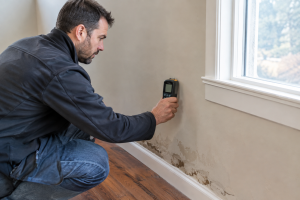
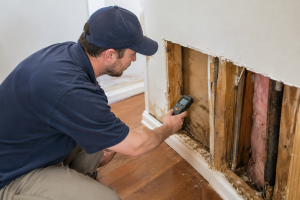
Look for a company whose technicians hold IICRC certification in water damage restoration — the industry-recognized standard for proper mitigation, drying, and structural repair. A certified crew follows documented moisture-testing protocols rather than guessing when a space is truly dry, which matters both for preventing mold and for satisfying insurance documentation requirements. Ask upfront whether mitigation and restoration are handled by the same crew or subcontracted out — fewer handoffs usually means fewer gaps in communication and a faster turnaround.
How the Insurance Claim Timeline Usually Works
Mitigation typically starts immediately, often before your insurance adjuster has even visited — most policies expect you to act quickly to prevent further damage, and a reputable company will document everything (photos, moisture readings, an itemized scope of work) to support the claim after the fact. The adjuster’s visit and the restoration estimate usually happen once mitigation is underway or complete and the full extent of the damage is visible. Because mitigation and restoration are often billed as separate line items, ask your provider for a clear, itemized invoice for each stage — it makes the claim easier to follow and harder to dispute.
Frequently Asked Questions
Does insurance pay for water mitigation and restoration separately?
Often, yes — many policies and providers treat them as distinct phases with separate line items, though both may be covered under the same claim if the underlying cause is covered.
How soon after mitigation can restoration begin?
Restoration begins once the space is verified fully dry with a moisture meter — rebuilding over materials that still hold moisture risks trapping it behind new drywall or flooring.
Can I choose my own restoration company, or does insurance assign one?
In most cases you can choose your own provider. Insurers may suggest a preferred vendor, but you’re generally not required to use them.
What happens if I skip restoration and just handle mitigation myself?
Mitigation alone stops the immediate damage but doesn’t repair what was lost — you’re left with exposed subfloor, missing drywall, or unfinished areas until restoration work is completed.
How long does the full mitigation-to-restoration process usually take?
Mitigation for a contained incident often takes a few days; full restoration afterward can take anywhere from a few days for a small patch job to several weeks for a major rebuild.
Related Reading
- Water Damage Mitigation: Why Acting Fast Saves You Money
- Water Damage Repair: What to Do Before Help Arrives
- Water Damage Clean Up: A Homeowner’s Step-by-Step Guide
- Emergency Water Removal: A Step-by-Step Checklist for the First 24 Hours
Dry On Time handles both stages under one roof — emergency water damage mitigation and restoration — with 24/7 response across New York and New Jersey, including Manhattan’s Upper East Side and Brooklyn. Call (516) 852-7553 if you need help right now.