These two terms get used interchangeably, but there’s an important distinction. Mold removal generally refers to physically removing mold growth, while remediation is the broader process that includes removal, containment, and fixing the moisture problem that caused it.
What Mold Removal Covers
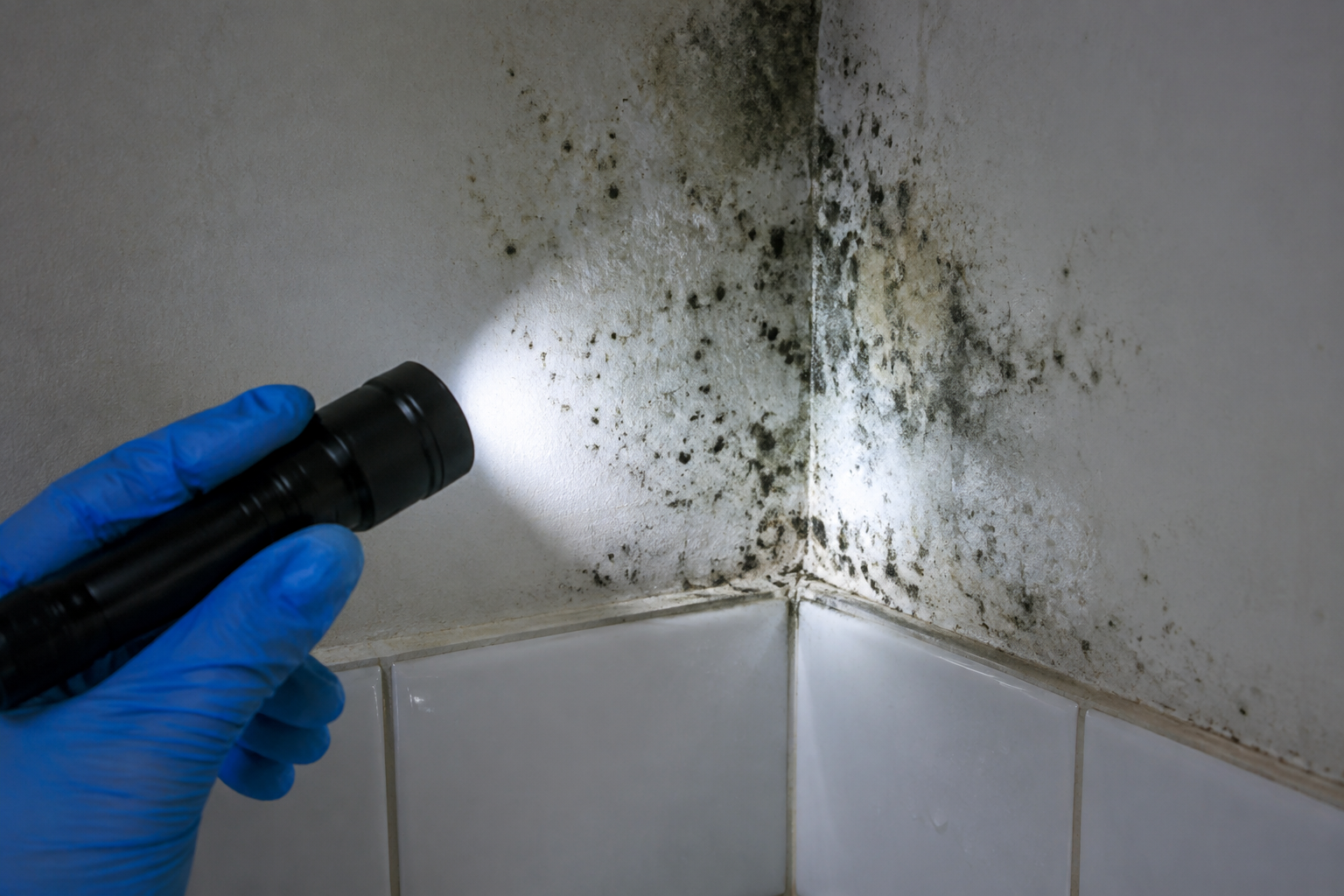
Mold removal focuses on the visible or detected growth itself — cleaning, removing, or disposing of contaminated materials. On its own, it can leave the underlying cause untouched, which is why removal alone often isn’t enough for anything beyond a very small, isolated patch.
What Mold Remediation Adds
- Containment to stop spores from spreading to unaffected areas during the work.
- HEPA air filtration to capture airborne spores.
- Identifying and correcting the moisture source — a leak, poor ventilation, or high humidity.
- Post-remediation verification to confirm the area is safe.
Which One Should You Choose?
For a small, isolated spot with an obvious, already-fixed cause, simple removal may be enough. For anything tied to water damage, recurring growth, or an area larger than a few square feet, full remediation is the safer and more reliable path.
What the EPA Says About “Just Removing” Mold
The EPA’s mold cleanup guidance is clear on this point: cleaning visible mold without fixing the moisture source is, at best, a temporary fix. If the same spot keeps coming back after cleaning, that’s a strong sign the job needs full remediation rather than another round of surface removal.
A Quick Way to Decide
Ask yourself two questions: has the moisture source been fully fixed, and has this spot ever come back after cleaning? If the answer to either is “no” or “I’m not sure,” it’s worth having a professional assess the area before relying on a DIY wipe-down.
How Professionals Determine Which Approach You Need
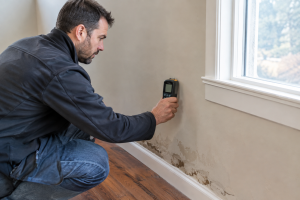
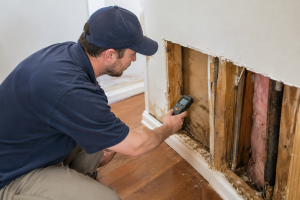
A technician doesn’t guess which path applies — they inspect first. That typically means a moisture meter reading on walls, floors, and framing to find hidden dampness, sometimes a thermal imaging scan to spot moisture behind surfaces, and in some cases air or surface sampling to confirm what type and how much mold is present. The decision comes down to three factors: the square footage affected, whether the materials involved (drywall, insulation, subfloor) can be cleaned or need to be replaced, and whether the moisture source is already fixed or still active.
As a rough guide, the EPA’s threshold of about 10 square feet is where most professionals start recommending full remediation over simple removal — but a smaller area tied to an active, unresolved leak still needs remediation, not just a wipe-down.
Frequently Asked Questions
Is mold removal cheaper than mold remediation?
Usually, yes, because it covers less work — but it’s only a good value if the moisture source is already fixed and the mold is unlikely to return. Paying for removal twice because the real problem wasn’t addressed ends up costing more than remediation would have.
Can a handyman do mold removal, or do I need a specialist?
For a very small, isolated patch, a handyman or the homeowner can often handle simple cleaning. Anything larger, recurring, or connected to a leak or flooding should go to an IICRC-certified mold professional.
How do I know if mold will come back after removal?
If the moisture source — a leak, condensation point, or ventilation issue — hasn’t been identified and fixed, mold is very likely to return, often in the same spot.
Does homeowners insurance cover mold remediation vs. removal differently?
Insurers generally look at the cause, not the label. Mold from a sudden covered event like a burst pipe is more likely to be covered than mold from long-term humidity or neglect, regardless of whether the work is called removal or remediation.
What size of mold problem requires professional remediation instead of DIY removal?
The EPA’s general guidance points to about 10 square feet as the threshold for calling in a professional, though an active moisture source or recurring growth can make remediation the right call even for a smaller area.
Related Reading
- What Is Mold Remediation? The Complete Process Explained
- Mold Inspection: 7 Warning Signs It’s Time to Schedule One
- How to Choose a Mold Remediation Contractor
- Mold Remediation Price Guide: Small Jobs vs. Large-Scale Projects
Dry On Time offers complete mold assessment, removal, and remediation across New York and New Jersey, including Brooklyn and Queens. Call (516) 852-7553 for a professional evaluation.