Mold remediation is the process of safely removing mold from a property and correcting the conditions that let it grow in the first place. It’s more involved than simply cleaning a visible patch — done properly, it addresses the source, not just the symptom.
The Mold Remediation Process, Step by Step
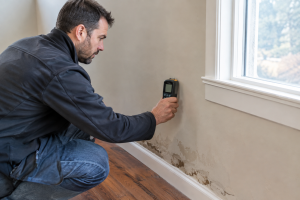
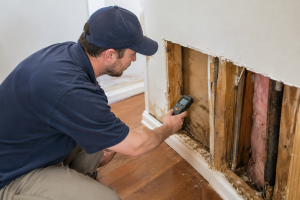
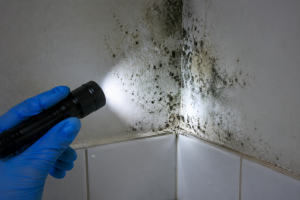
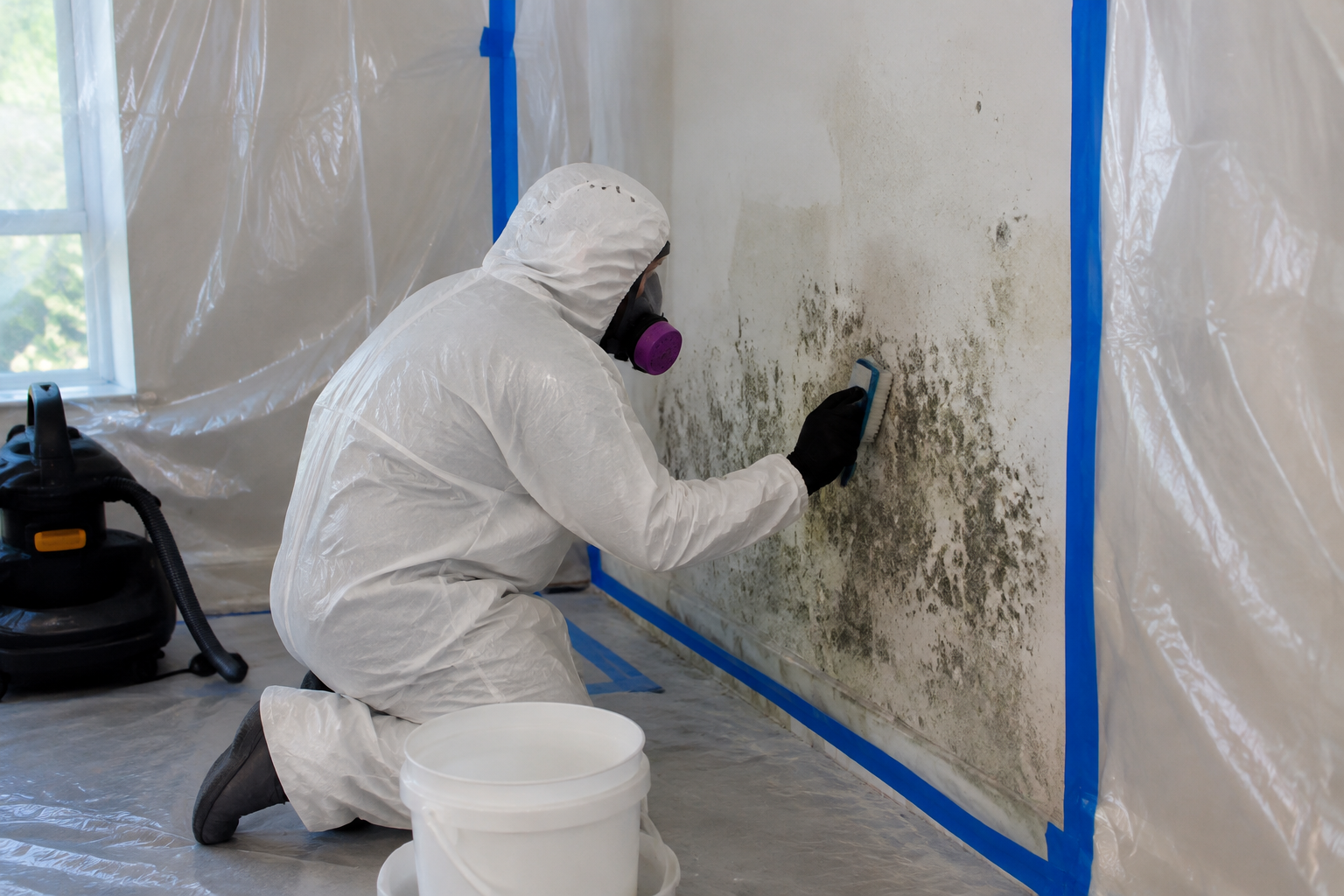
Remediation typically starts with an inspection to identify the extent of contamination and its moisture source. Technicians then contain the affected area to prevent spores from spreading, remove and dispose of unsalvageable materials like drywall or insulation, and clean remaining surfaces with antimicrobial treatments. HEPA air scrubbers filter airborne spores throughout the process.
Why the Moisture Source Has to Be Fixed
Removing mold without fixing the underlying leak, humidity, or ventilation problem almost guarantees it will return. That’s why a proper remediation plan always includes identifying — and correcting — whatever is keeping the area damp.
How Long Mold Remediation Takes
Small, contained jobs can wrap up in a day or two; larger infestations tied to structural water damage may take a week or more, especially if materials need to dry before repairs begin.
What the Health Agencies Recommend
The EPA’s guide to mold cleanup recommends addressing mold within 24-48 hours of discovery and emphasizes that the moisture source must be corrected, not just the visible growth — otherwise mold will keep coming back regardless of how many times it’s cleaned. The CDC also notes that people with asthma, allergies, or weakened immune systems should avoid direct contact with mold-affected areas until remediation is complete.
Choosing Who Does the Work
For anything beyond a small, isolated spot, look for a company with IICRC-certified technicians who can walk you through their containment plan and provide documentation once the job is verified complete — a step that matters for your records and for any future home sale.
Post-Remediation Verification: How You Know the Job Is Done
A remediation job isn’t finished just because the mold is no longer visible. Reputable contractors follow a post-remediation verification (PRV) step — often referenced against the IICRC S520 standard — that includes a visual inspection for any remaining growth, moisture readings on the walls, floors, and framing that were affected, and in some cases third-party clearance testing by an independent hygienist. This confirms the space meets normal fungal ecology for the area before it’s closed back up or rebuilt.
Ask for this verification in writing. It becomes useful documentation if you ever sell the property, file an insurance claim, or need to show a tenant or buyer that the issue was professionally resolved — not just painted over.
Frequently Asked Questions About Mold Remediation
How much does mold remediation cost?
Cost depends heavily on the size of the affected area and whether materials like drywall or flooring need to be removed and replaced. Small, isolated jobs run far less than remediation tied to a larger water damage event.
Can I do mold remediation myself?
The EPA generally considers DIY cleanup acceptable only for mold patches under about 10 square feet. Anything larger, or any mold connected to HVAC systems, flooding, or sewage, should go to a certified professional because improper handling can spread spores into previously unaffected areas.
How long does mold remediation take to complete?
Most contained residential jobs take one to three days. Larger infestations, or remediation that’s part of a broader water damage restoration, can take a week or more.
Will my insurance cover mold remediation?
It depends on the cause. Mold resulting from a sudden, covered event like a burst pipe is often covered; mold from long-term neglect or chronic humidity usually is not. Check your specific policy language or ask your adjuster directly.
What’s the difference between mold removal and mold remediation?
“Removal” implies mold can be eliminated completely, which isn’t realistic since mold spores exist nearly everywhere. “Remediation” is the more accurate industry term — it means reducing mold to normal, safe levels and fixing the moisture source so it doesn’t return.
Related Reading
- Mold Removal vs. Mold Remediation: Which One Do You Need?
- Mold Inspection: 7 Warning Signs It’s Time to Schedule One
- Mold Remediation Price Guide: Small Jobs vs. Large-Scale Projects
- How to Choose a Mold Remediation Contractor
Dry On Time handles mold assessment, removal, and remediation for homes and businesses across New York and New Jersey, including Manhattan’s Upper East Side and Jersey City. Call (516) 852-7553 to schedule an inspection.