Mold isn’t always visible, and by the time it is, it may have been growing for weeks. A mold inspection checks for hidden growth and moisture problems before they turn into a bigger, more expensive issue.
7 Signs You Need a Mold Inspection
- A musty, damp smell that doesn’t go away, even after cleaning.
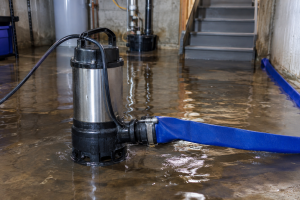
- Past water damage — any leak, flood, or burst pipe that wasn’t professionally dried.
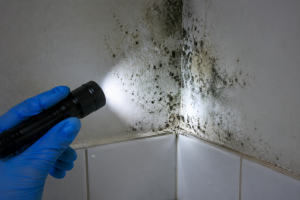
- Visible spots or discoloration on walls, ceilings, or around windows.
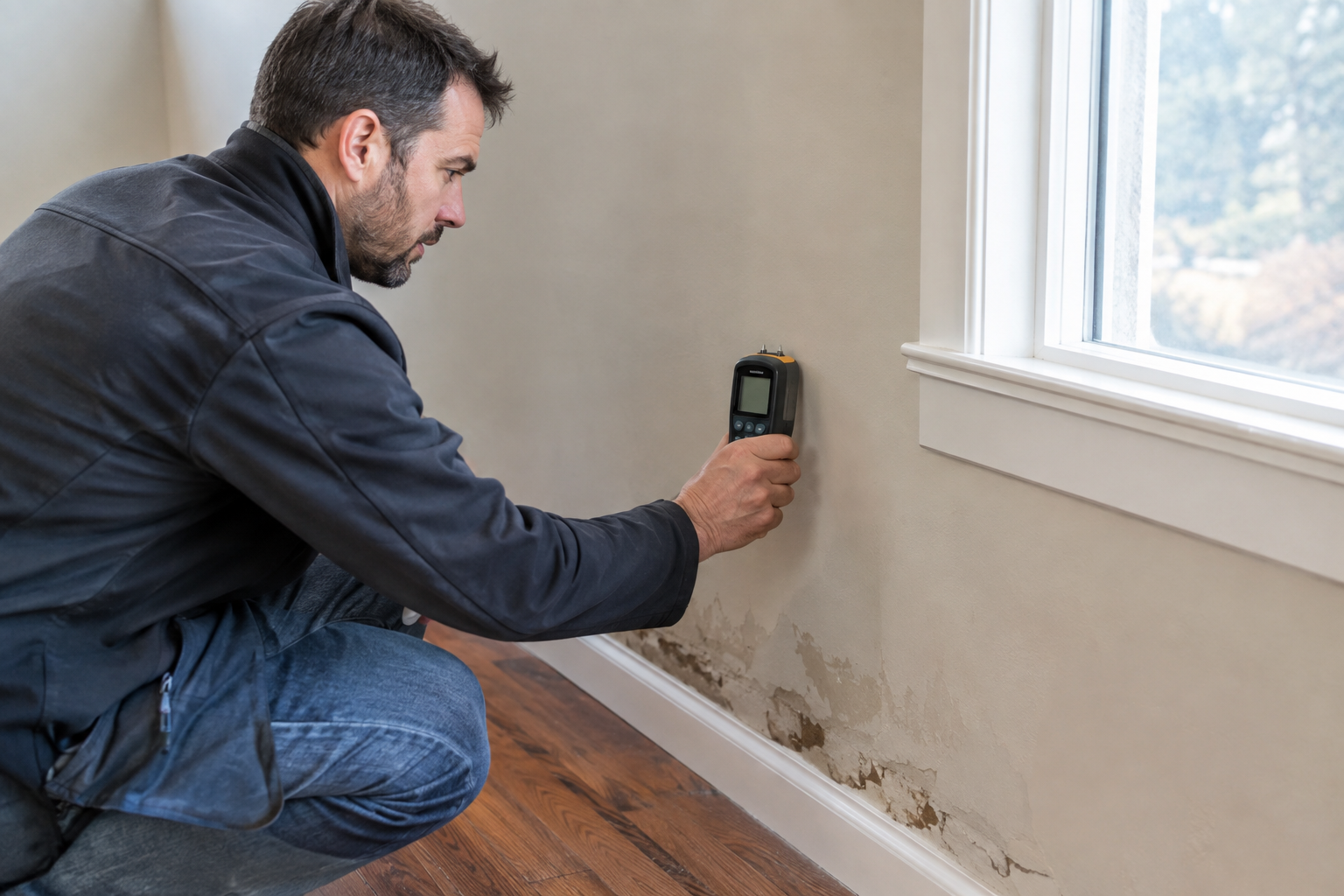
- Peeling paint or wallpaper, which can signal trapped moisture underneath.
- Unexplained allergy or respiratory symptoms that improve when you leave the building.
- High indoor humidity or condensation on windows and pipes.
- Buying or selling a home — a pre-purchase or pre-listing inspection catches problems early.
What a Professional Mold Inspection Involves
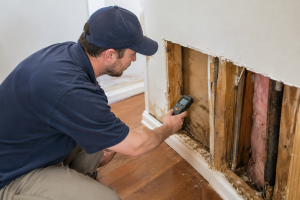
A thorough inspection combines a visual assessment with moisture meters and, when needed, air or surface sampling to confirm what’s actually growing and how far it has spread. This gives you an accurate scope before any remediation work begins — instead of guessing at the size of the problem.
Why Symptoms Alone Are a Good Enough Reason to Check
You don’t need to see visible mold to justify an inspection. Health agencies including the EPA note that mold exposure can trigger allergic reactions and respiratory irritation well before growth is visible to the eye, especially behind walls or under flooring. If symptoms consistently improve away from the building, that pattern alone is worth having checked.
How Often to Inspect
Homes with a history of water damage, high humidity, or poor ventilation benefit from an annual check even without obvious symptoms. For everyone else, an inspection makes sense any time one of the seven signs above shows up, or before a major renovation disturbs walls or flooring that haven’t been opened in years.
What Happens After the Inspection: Report and Next Steps
A proper inspection ends with a written report, not just a verbal opinion. It should document where moisture and growth were found, the likely source, the estimated scope, and whether sampling results came back. That report becomes the basis for a remediation plan if one is needed — and it’s useful documentation on its own for insurance, for a home sale, or simply for your records if symptoms or odors come back later and you need to show what was already checked.
Frequently Asked Questions
How much does a mold inspection cost?
Cost varies based on the size of the property and whether air or surface sampling is included. A visual-only inspection costs less than one that includes lab testing.
Does a mold inspection include testing, or is testing separate?
Many inspections start with a visual and moisture-meter assessment, with air or surface sampling added only if the inspector needs lab confirmation of what’s growing. Ask what’s included before booking.
How long does a mold inspection take?
Most residential inspections take one to two hours, depending on the size of the property and how many areas need to be checked.
Can I skip inspection and go straight to remediation if I can see the mold?
Even with visible mold, an inspection helps confirm how far it has spread behind walls or under flooring, which affects the remediation scope. Skipping it risks underestimating the job.
Will a mold inspection show up on a home sale disclosure?
Disclosure requirements vary by state and transaction, but a documented inspection and any remediation that followed are generally worth disclosing and can actually reassure a buyer that the issue was professionally resolved.
Related Reading
- What Is Mold Remediation? The Complete Process Explained
- Mold Removal vs. Mold Remediation: Which One Do You Need?
- Mold Remediation Price Guide: Small Jobs vs. Large-Scale Projects
- How to Choose a Mold Remediation Contractor
Dry On Time offers professional mold assessment and inspection across New York and New Jersey, including Jersey City and Queens. Call (516) 852-7553 to schedule an evaluation.