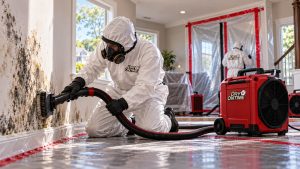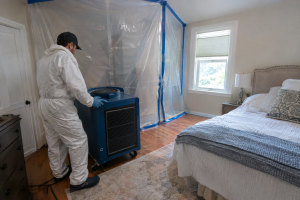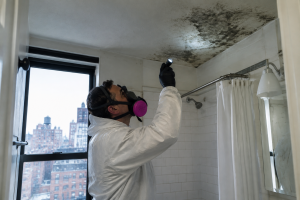
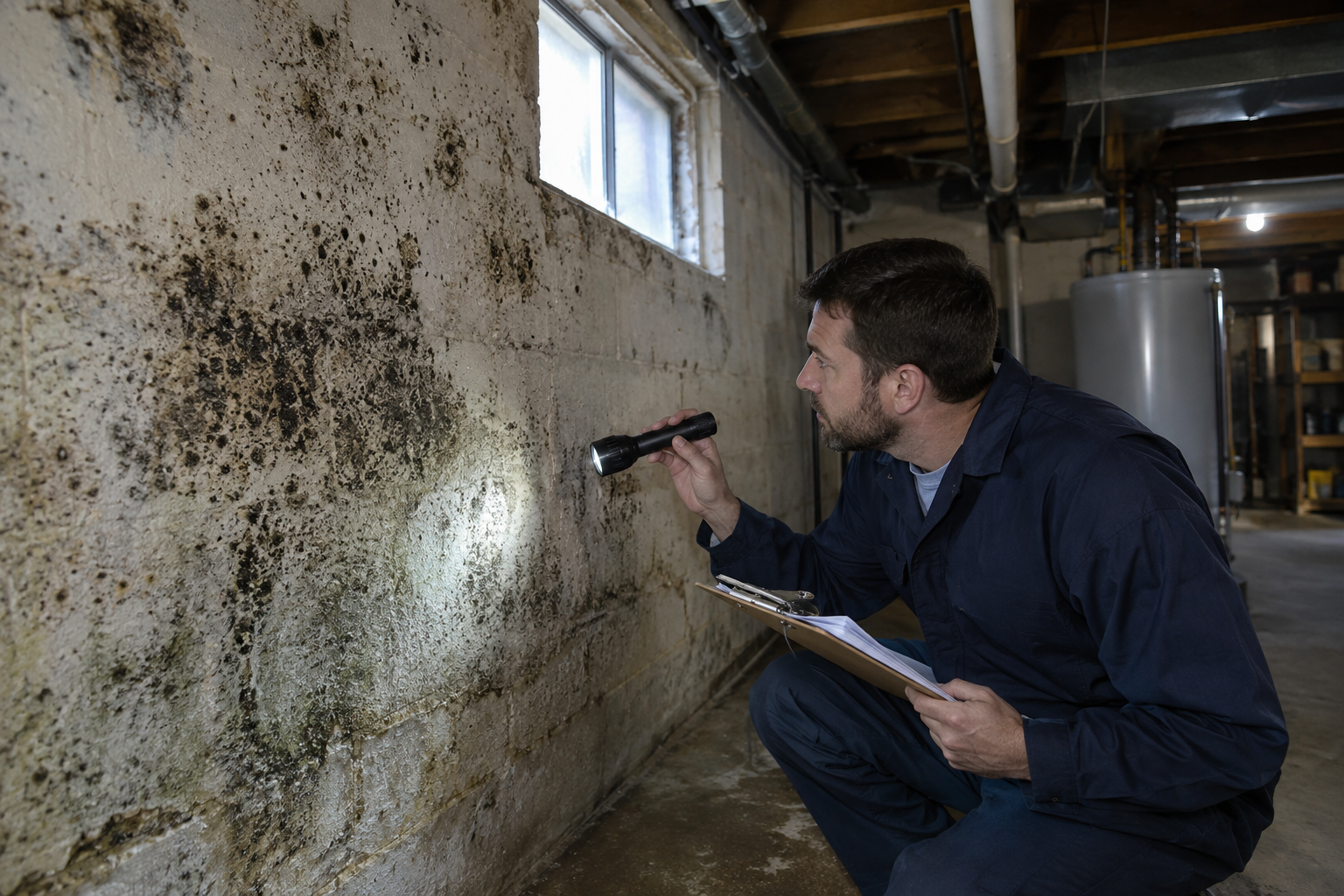
There’s no single number that answers “how much does this cost,” because mold remediation cost depends on several variables specific to each property. Understanding those factors helps you know what to expect before a technician even arrives.
What Affects Mold Remediation Cost
- Size of the affected area — a small bathroom patch costs far less than mold spread across a basement.
- Type of material affected — porous materials like drywall and insulation often need replacement, not just cleaning.
- Location — mold inside wall cavities, HVAC systems, or crawl spaces takes more labor to access and treat.
- The moisture source — if a leak or plumbing issue caused the growth, that repair adds to the total.
- Containment needs — larger jobs require more extensive containment and air filtration equipment.
Getting an Accurate Estimate
The only reliable way to know your actual cost is a professional inspection and assessment — online calculators and rough estimates can be off by thousands of dollars depending on what’s found once walls or flooring are opened up.
What Insurance Typically Covers
Coverage usually depends on whether the mold resulted from a “sudden and accidental” covered event, like a burst pipe, versus a long-term maintenance issue like a slow roof leak. The EPA recommends keeping thorough documentation of both the original water event and the remediation work, since that record is often what determines whether a claim is approved.
Ways to Keep Costs Down
Acting quickly after you first notice a problem is the single biggest cost lever you control — a contained, early-stage job is almost always cheaper than one that’s had weeks or months to spread. Getting multiple written, itemized estimates (not verbal quotes) also makes it easier to compare what’s actually included before you commit.
Red Flags in a Mold Remediation Estimate
A suspiciously low quote often means something is missing, not that you found a bargain. Watch for an estimate with no breakdown of containment, air filtration, and disposal as separate line items; a company that won’t commit to post-remediation verification testing; or pricing based only on a phone description with no in-person inspection. A legitimate, itemized estimate should specify square footage, which materials will be removed versus cleaned, and what “complete” looks like — vague wording in any of these areas is worth a second opinion before you sign.
Frequently Asked Questions
What’s a typical price range for mold remediation?
Small, contained jobs cost far less than remediation tied to a larger water damage event with material replacement — the only way to get an accurate number for your situation is a professional inspection.
Why do mold remediation quotes vary so much between companies?
Differences usually come down to scope — whether containment, air filtration, disposal, and post-remediation verification are all included — rather than just labor rates. Always compare itemized estimates, not just a bottom-line number.
Will a cheaper quote mean lower quality work?
Not necessarily, but an unusually low quote with no itemized breakdown or no in-person inspection is a warning sign worth questioning before you commit.
Does mold remediation cost more in an apartment than a house?
Not inherently, but shared walls, limited access, and building management coordination can add complexity and, sometimes, cost compared to a standalone house.
Can I negotiate mold remediation pricing?
Getting multiple itemized estimates is the most effective way to ensure fair pricing — comparing what’s actually included often matters more than negotiating a single company’s number down.
Related Reading
- Mold Remediation Price Guide: Small Jobs vs. Large-Scale Projects
- What Is Mold Remediation? The Complete Process Explained
- How to Choose a Mold Remediation Contractor
- What to Look for in Mold Remediation Experts
Dry On Time provides transparent mold assessment and remediation across New York and New Jersey, including Staten Island and Jersey City, and can help you understand what your insurance may cover. Call (516) 852-7553 for an evaluation.